Bonniwell background: more Chatham links & docs

I’m still thinning out my backlog of Bonniwell-related documents that currently crowd my computer desktop. Today’s post includes some multimedia links, too. I hope you enjoy them.

A long, narrow, disagreeable, ill-built town…

Unlike the glowing prose of the description of Chatham we discussed earlier in Bonniwell background: Chatham, Kent 1832, not everyone was impressed by the Bonniwell’s home town, at least not in the late-1700s. For example, Edward Hasted (1732-1812), in his monumental History and Topographical Survey of the County of Kent (second edition, vol. 4, Canterbury, 1798, pp. 191-226) had this to say:

THE TOWN OF CHATHAM, the greatest part of which has been built since the reign of queen Elizabeth, adjoins to that of Rochester, which, with Stroud [sic, Strood], makes one long street of more than two miles in length, of which Chatham is one, being commonly called the Three Towns, through which the high road leads from London to Dover, as above mentioned.

It is situated close to the bank of the Medway for about half a mile, after which the river leaving the town flows north-north east. It is like most sea ports, a long, narrow, disagreeable, ill-built town, the houses in general occupied by those trades adapted to the commerce of the shipping and seafaring persons, the Victualling-office, and the two breweries, and one or two more houses, being the only tolerable built houses in it.

The 12 volumes of the second edition of Hasted’s complete magnum opus have been digitized and made available at British History Online. The quoted bits above are a brief excerpt from Hasted’s almost 9,000 words devoted to the parish history of Chatham. Click the link for online access, or download a PDF copy here.

I discovered Hasted’s sour appraisal of 1798 Chatham while watching an interesting YouTube video devoted to the history of two major disasters that befell the town—and our Bonniwell and Hills families—in the early 1800s:

Continue reading
More munching mammals!

We have a vegetable garden in the backyard of our southeastern Wisconsin house. It’s not large, but we still manage to grow a nice quantity of green peas, heirloom tomatoes, green beans, peppers, basil, and squash, enough to top off several dozen vacuum-sealed mason jars and fill a chest freezer each year.

Nature being what it is, we are not the only critters in the neighborhood that enjoy the bounty of our labors. Last May I mentioned our ever-expanding population of Rabbits! and the efforts needed to keep them from our young and ripening produce. This week we face a new foe…

Continue reading

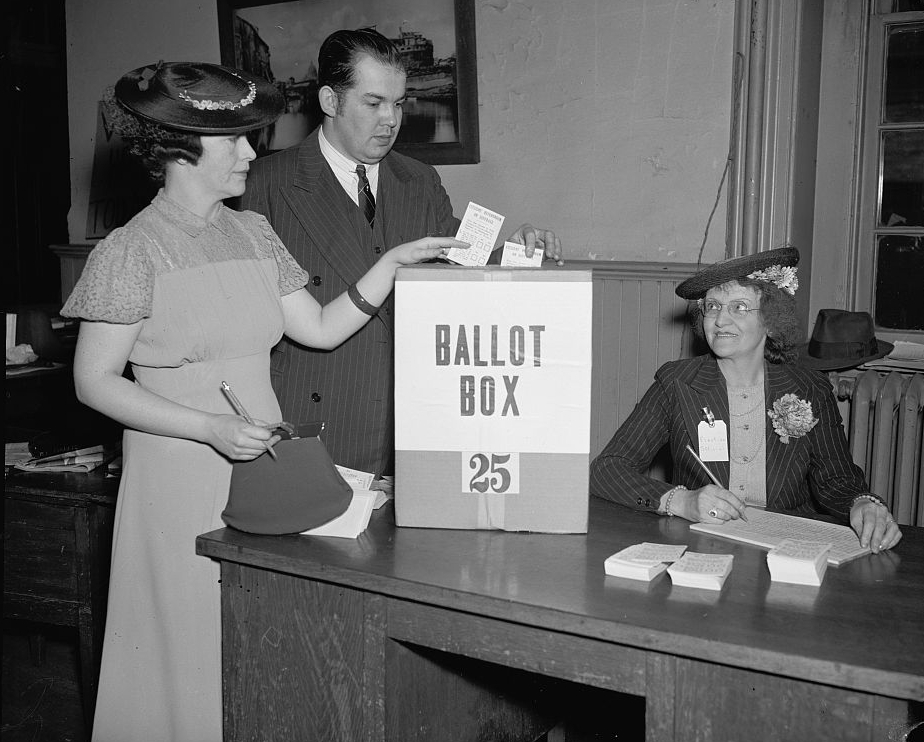
Have you voted?

It’s not too late to cast your ballot in the reader’s poll from our previous post, asking how I should archive the contents of my April 22 Cedarburg History Museum talk here at Clark House Historian. Should I publish the words and images as a series of usual-format CHH blog posts, or as one or more YouTube videos, featuring all the original PowerPoint slides, accompanied by my re-recorded narration?

The polls are still open, and the lines are short. Just scroll down to the Leave a Reply box, below, and where it says “Enter your comment here…” leave your vote for “Blog posts” or “YouTube videos.”  Questions? For the full story, just click this link and read the second part of Monday’s post, beginning at “That was fun!”

In the words of the late, great, Mayor Richard J. Daley, “vote early and vote often!”

Continue reading

Detour…

Rothstein, Arthur, photographer. Detour sign, Chillicothe, Ohio, 1940, Library of Congress (public domain).

I know, I know. Clark House Historian blog posts have been sparse lately.

It’s not for lack of material. I have a big backlog of Clark House history, with many interesting maps, images and documents to write about and share with you. But my history research—and writing—have taken a bit of a detour over the last few weeks…

Continue reading

‘Tis the season…

Time is flying; it’s already been a week since Thanksgiving. I hope you all had time to enjoy the day.

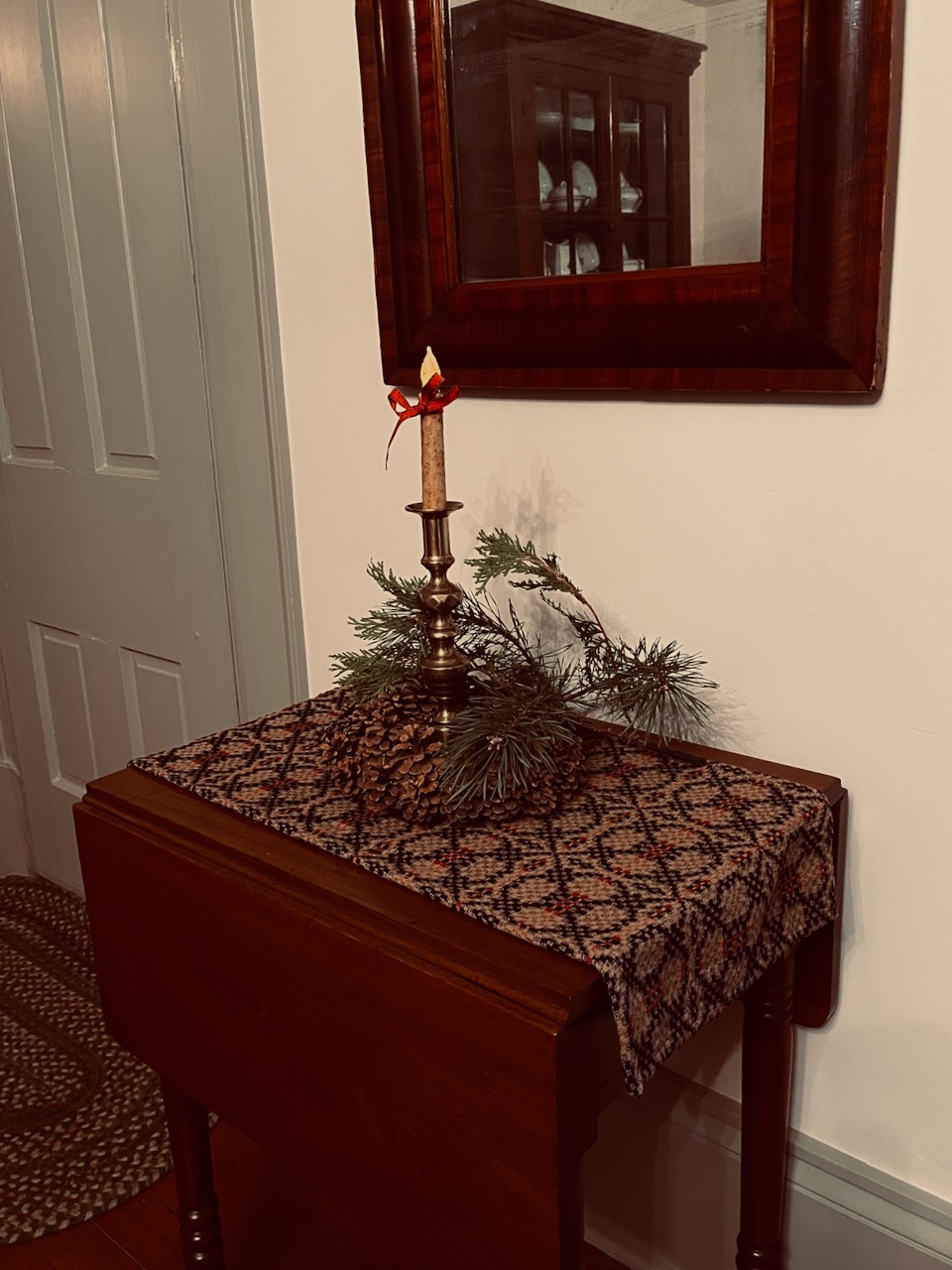
I’m in the middle of preparing several Clark House Historian posts and the writing is going slowly. But! December is here and I’m starting to feel the holiday spirit. So until I finish my current research and writing project (we’ve got to bring the Bonniwells back from the California gold rush!), how about a seasonal photo from my most recent visit to the Clark House?

Clark House front parlor with holiday candle, 2022. Photo credit: Reed Perkins.

Continue reading

Summer evening…

Hello, readers! Sorry for the long blog silence. I hope you are well.

It’s been a busy summer at my house, filled with the usual demands of job, summer garden chores, lots of behind-the-scenes history research and, alas, an unexpectedly large number of mundane but unavoidable tasks, most of which are now behind me.

I have a backlog of half-written posts to finish and share with you. In the meanwhile, I hope you enjoy this photo.

Cedar Creek, looking north from the Columbia Road bridge, Cedarburg, Wisconsin. Photo credit: Reed Perkins, July, 2022.

The view looks north along Cedar Creek from near the historic Cedarburg Mill, about two miles north of the Jonathan Clark House. Turn off the electric lights, and this is a view that the Clark family would have known well.

Continue reading

Heritage Days, part 2 – July 16th!

Fun news from the Jonathan Clark House Museum:

Summer has finally settled in here in Wisconsin, and the Jonathan Clark House is ready to host you once again on Saturday, July 16, 12pm – 3pm to enjoy all the old fashioned fun in the very spirit of the season for the second installment of our summer series event Heritage Days!

In addition to our favorite features, our special attractions for July include:

Continue reading