
Autumn leaves in Southeast Wisconsin, November, 2020. Photo courtesy Anna Perkins. Click to open larger image in new window.
Continue readingAutumn leaves in Southeast Wisconsin, November, 2020. Photo courtesy Anna Perkins. Click to open larger image in new window.
Continue reading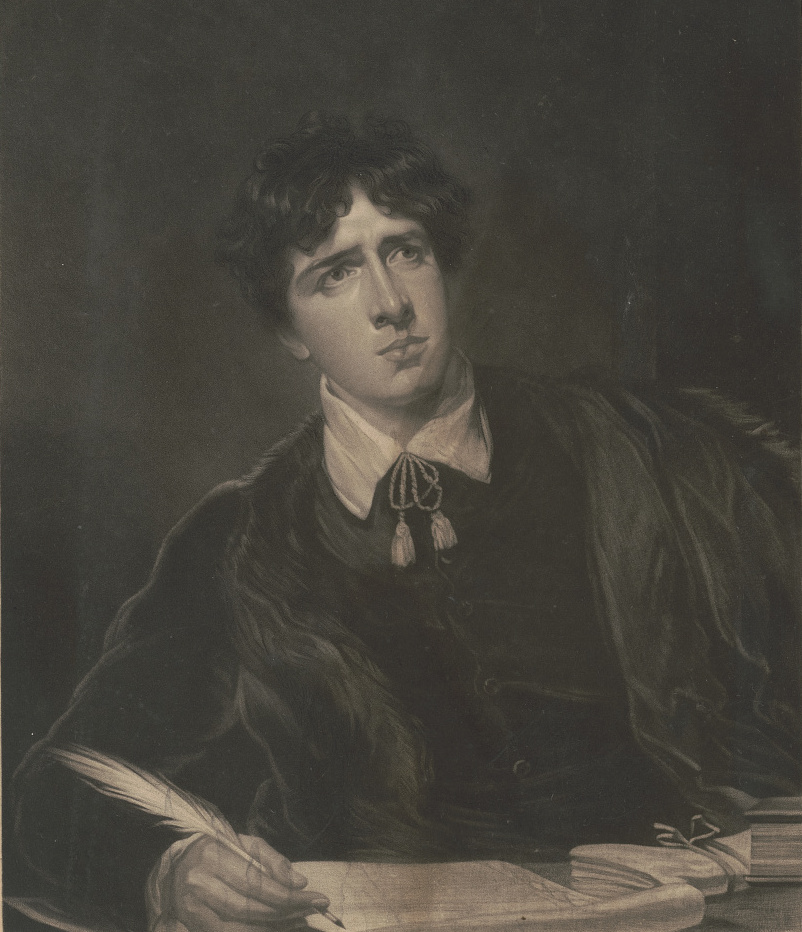
Lupton, Thomas Goff, Artist, and George Henry Harlow. Portrait of a young man pondering what to write with quill in hand and paper set before him, painted by G.H. Harlow ; engraved by Thomas Luhton i.e. Lupton, circa 1820–1870. Library of Congress. Click to open larger image in new window.
Continue readingMequon kin, down South
Previously, we turned our thoughts to the historic city of New Orleans, and the disastrous impact of then-ongoing Hurricane Ida. Once again the Crescent City was hit by a major hurricane. Ida has since moved on and lessened in intensity, but leaves in its wake significant wind and water damage; over one million Louisiana residents are currently without electricity, gasoline, and fresh water, and it looks like it will take weeks to restore services. We wish a speedy recovery for all those in the affected areas.
I have a more-than-passing interest in New Orleans because our Clark House family has ties to the city; Mary (Turck) Clark’s brother, Joseph Robert Turck (1823-1902), spent most of his adult life there.

New Orleans, Louisiana Sugar and Rice Exchange, c. 1891. Source and credits, below (note 1). Click to open larger image in new window.
Joseph R. Turck
Like his big sister Mary, Joseph R. Turck was born in Athens, Greene county, New York. He was about five years old when the family moved to Wayne county, New York, and about fourteen years old when the family migrated west to Mequon in 1837.
In February, 1845, Joseph purchased 40 acres of his father Peter Turck’s Mequon land.2 Joseph did not keep it long; he sold it back to his father in September of the same year. What happened next? We’re not sure. But by 1848 Joseph had left Wisconsin and relocated to New Orleans.
Continue readingOnce again, several states along and north of the Gulf of Mexico face the force of a major hurricane. As I type this, New Orleans, one of the most historic cities in the United States, is without power, and hundreds of thousands of citizens—and large parts of the the area’s industries and environment—remain threatened as Hurricane Ida makes its way inland. I’ll let other, more knowledgable sources report the news. For now, I encourage you to remember and support our compatriots as they endure and recover from this major natural disaster.
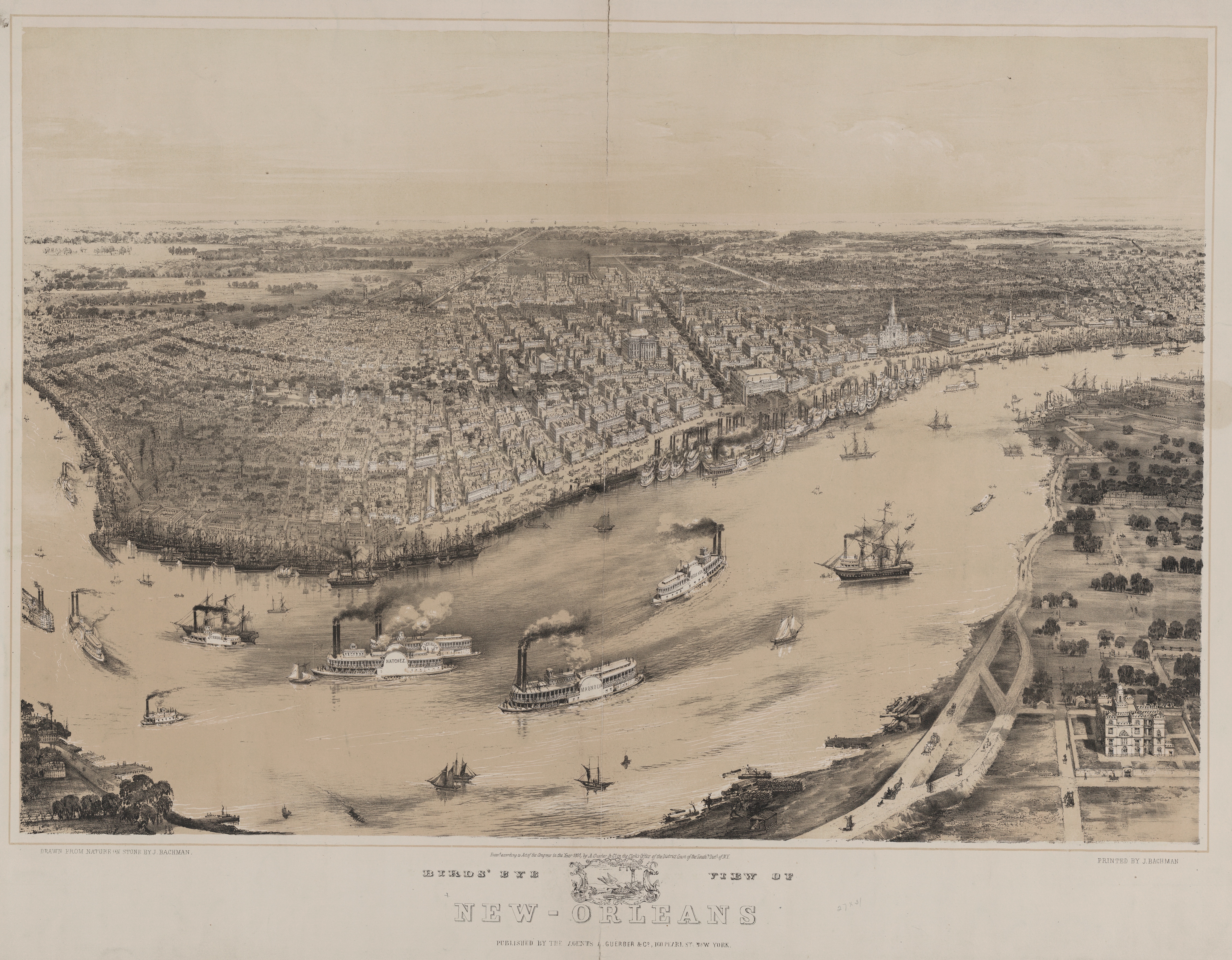
Bachmann, John, Birds’ eye view of New-Orleans / drawn from nature on stone by J. Bachman, [i.e., Bachmann], ca. 1851. New York: Published by the agents A. Guerber & Co., Printed by J. Bachman. Library of Congress. Click to open larger image in new window.
Continue readingI don’t usually post on Saturdays, but today is a special day. It’s the 100th anniversary of my Dad’s birth, and I thought it deserved at least a short CHH mention.
John H. Perkins, 1921 – 2004
My dad lived a long and eventful life, too much to cover in a single blog post. But since our recent Clark House Historian posts have been focused on historic boats and other Clark-era modes of transportation, I thought I’d share a few choice photos of Dad on the go—on water and on land—with a few biographical remarks to set the scene.
Here’s an early example:
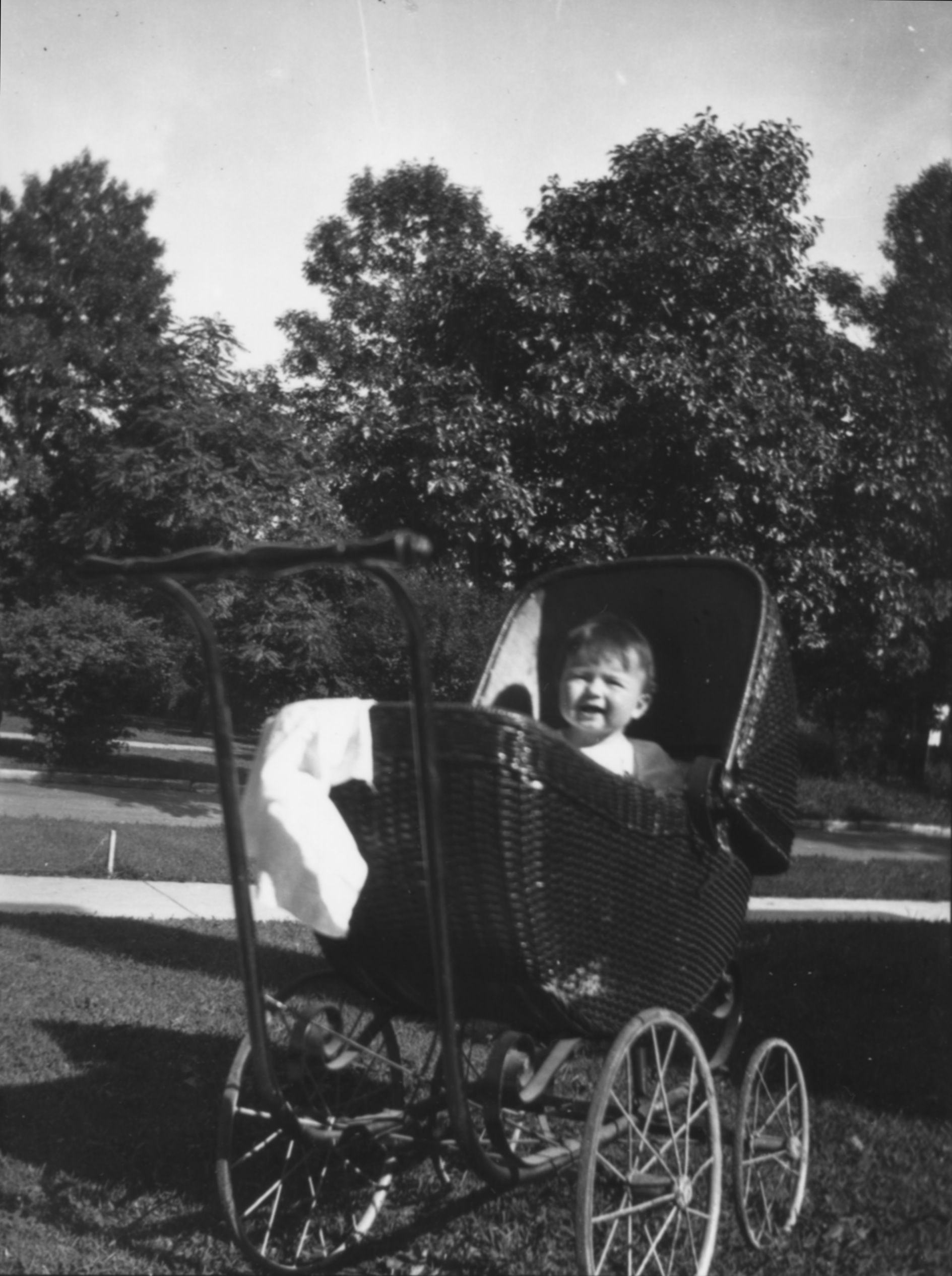
John H. Perkins in baby carriage, probably Evanston, Illinois, circa Spring or Summer, 1922. Perkins family collection. Click to open larger image in new window.
Continue readingOne of the really neat aspects of researching and writing about Clark House history on this site is the feedback I receive from blog readers. I love hearing from you, whether you have a comment or a question about the topic at hand, or perhaps there is something else that you want to know more about.

[Occupational Portrait of a Salesman], Three-Quarter Length, Seated, Displaying His Wares. Daguerreotype, between 1850 and 1860, cropped and lightly color-adjusted. Library of Congress. Click to open larger image in new window.
“UPDATED…”
History is never “done.” No one can know it all. There are always new sources with fresh information, and new ways to look at well-known material. A question or a new bit of information from a reader will often prompt additional research or a correction to previous statements. The result is that this blog—and our knowledge of the Clark family, their neighbors, and their era—is constantly evolving.
Continue readingThere was still some daylight left after the annual “Pie on the Patio” event at the Clark House last week, so I thought I’d stop by Mequon’s historic Isham Day House on my way home. Isham Day was one of Mequon’s first settlers, and he built his tidy home, sometimes known as the “Yankee Settler’s Cottage,” in 1839. It’s a town landmark, and I’d never been to see it.
While enjoying my first look at the Day House, I also took the opportunity to meander through the adjacent Settlers Park. It’s a beautiful little park, with an accessible boardwalk that leads down to and along the west bank of the Milwaukee River. It’s a short, easy stroll; I highly recommend it. By the time you reach the riverbank you’ll forget you are in a busy 21st-century downtown.


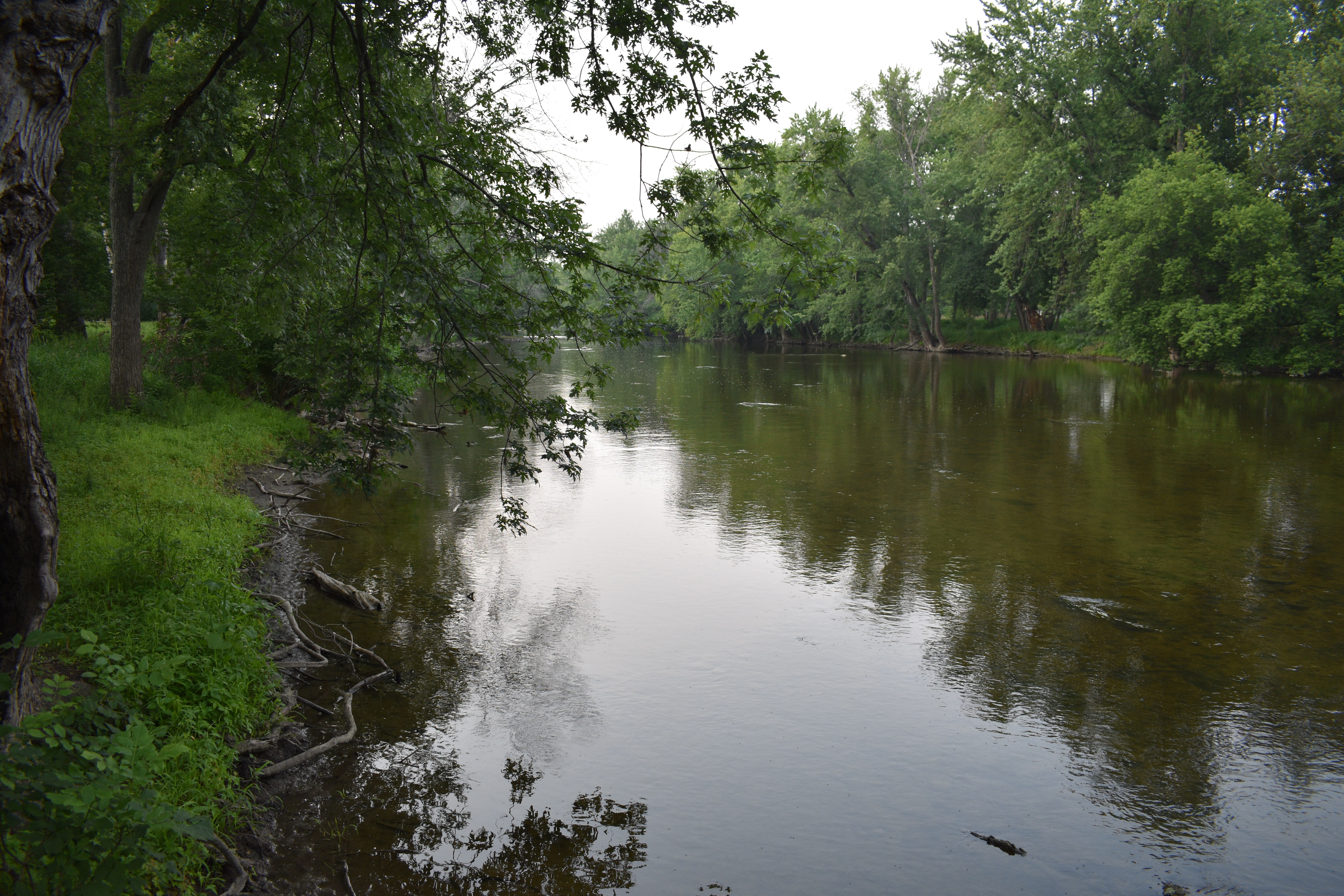
Photo credit: Anna Perkins, 2021. Click any photo to open gallery and access larger versions of the images.
Continue readingI’m still taking a break from serious research and writing, but I thought you might enjoy some recent summertime Clark House photos:

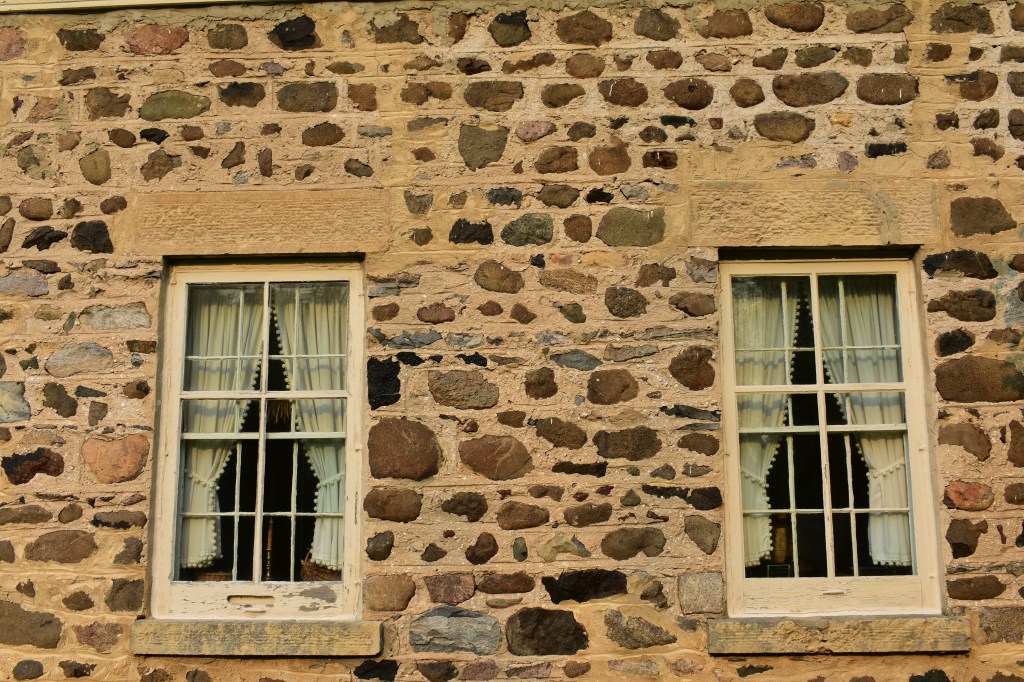
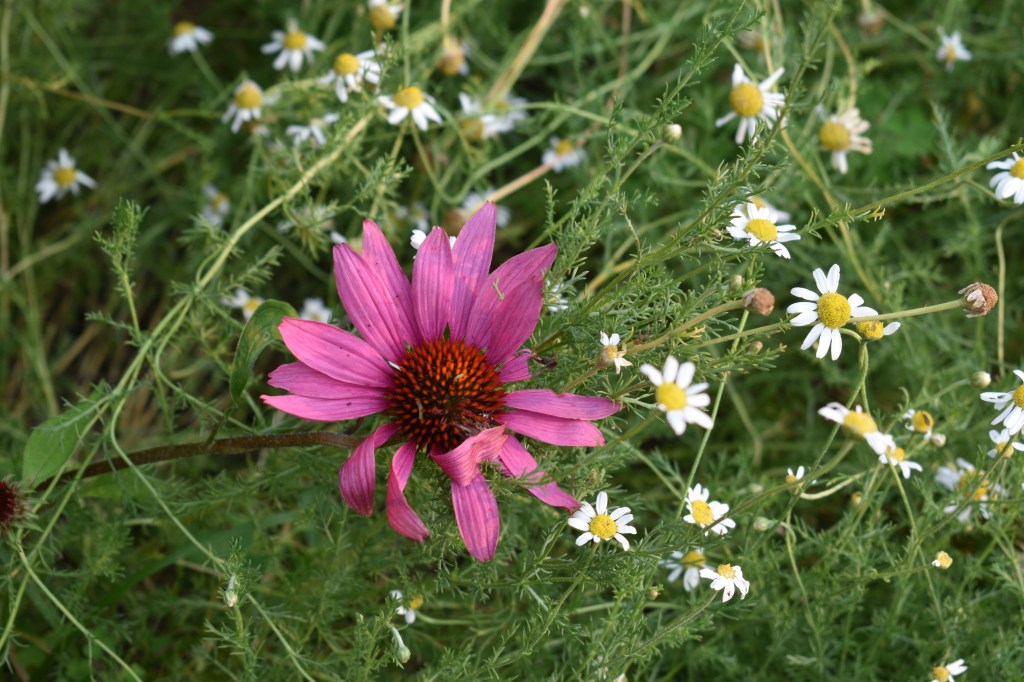
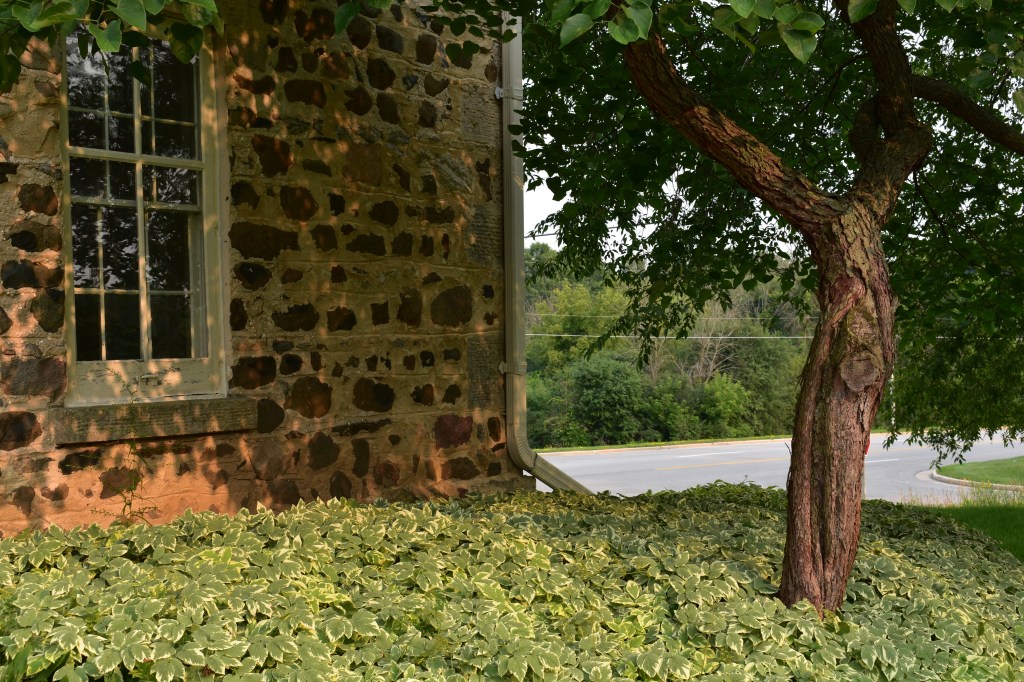
Photo credit: Anna Perkins, 2021. Click any photo to open gallery and access larger versions of the images.
Continue readingI must have angered the Gods of Technology.
I managed to find a workaround for my earlier problems with WordPress and then… we (and about 2,800 neighbors) lost our power.

Please pardon this interruption. This is not a regular Clark House Historian post. This is a test.
I’m trying to write my next CHH posts—on the life of Henry Clark—and I’ve run into a weird technical problem at WordPress. My previously drafted and saved words and images are not showing in my editing window. This is occurring on the draft Henry Clark posts and on some of my previously published (and, as far as I can tell, otherwise unchanged and still viewable) posts.
This problem is new to me, and I have sent in a help request to find a solution. I’m writing and publishing this new little post to see what’s still working and to help diagnose what’s going wrong with my WordPress blog platform.

 Clark House Historian