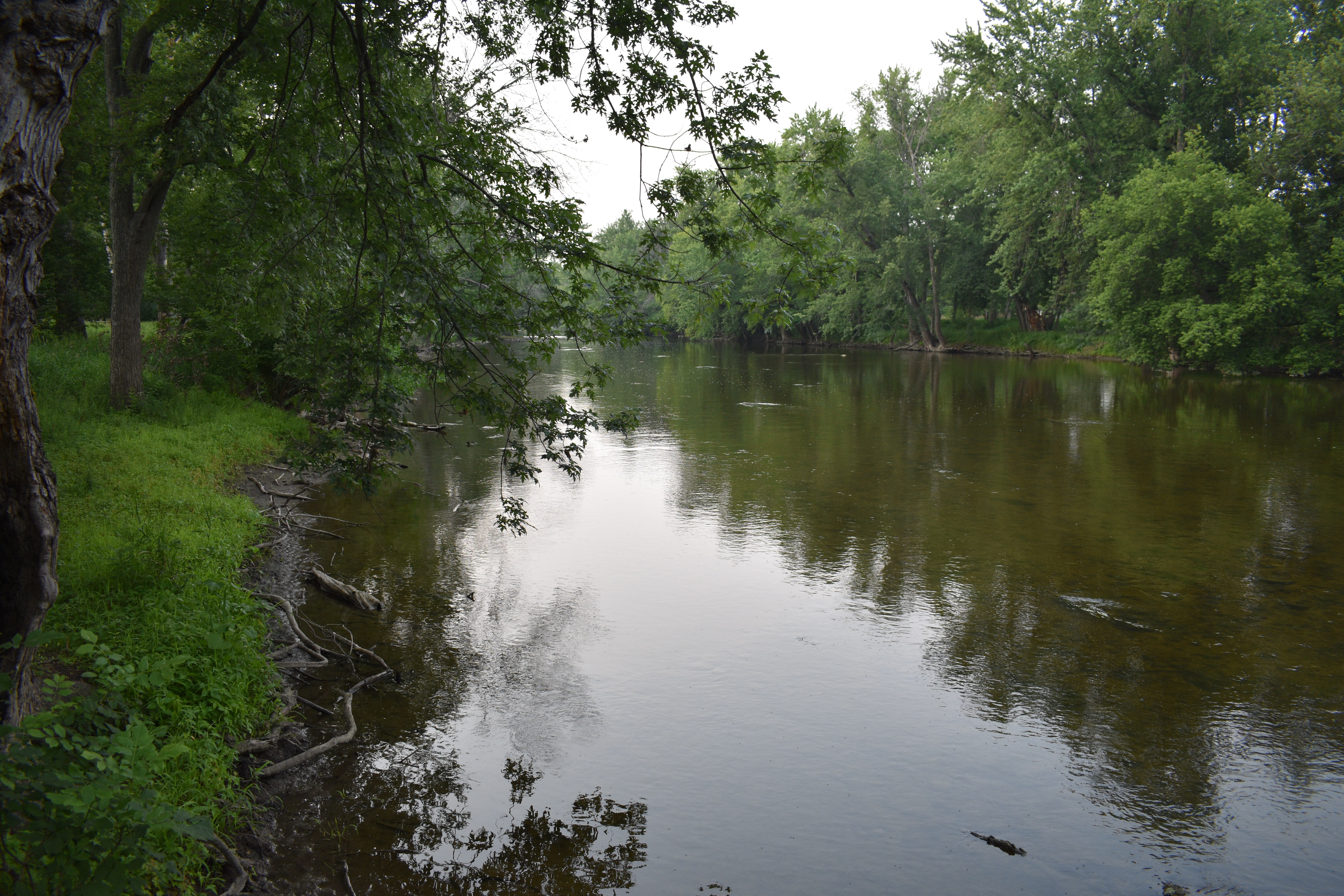
What did you do on Sunday?

Updated Feb. 14, 2022 to add the qualifier “English-speaking” to the second paragraph.

Did you watch the Big Game? Go out to eat? Maybe you had to put in a shift at work? Or did you just take a break and relax at home, gearing up for another week on the job? Perhaps you went to church on Sunday.

In Jonathan and Mary Clark’s era, many of their Mequon neighbors would honor the Sabbath by refraining from all work and worshiping privately at home with their families, or gathering with small groups of neighbors to pray and hear the Word. Beginning in the early-1840s, the English-speaking Protestant Christians living near the Clark House—including many members of the Clark, Bonniwell and Turck families—gathered at the new, one-room, Bonniwell School to worship together at Sunday services; these were often led by their neighbor, the farmer and evangelical Methodist preacher Rev. James W. Woodworth.

Rev. Woodworth has concerns…

We have talked about Rev. Woodworth previously and, as we have seen before, he was constantly concerned about the state of his neighbors’ souls. It seems that even though the nation was still riding the wave of several decades of the religious revival now known as the Second Great Awakening, the settlers of the young Wisconsin territory and state were not always very good at “keeping the Sabbath holy.” In his diary entry for August 10, 1855, the reverend lamented:
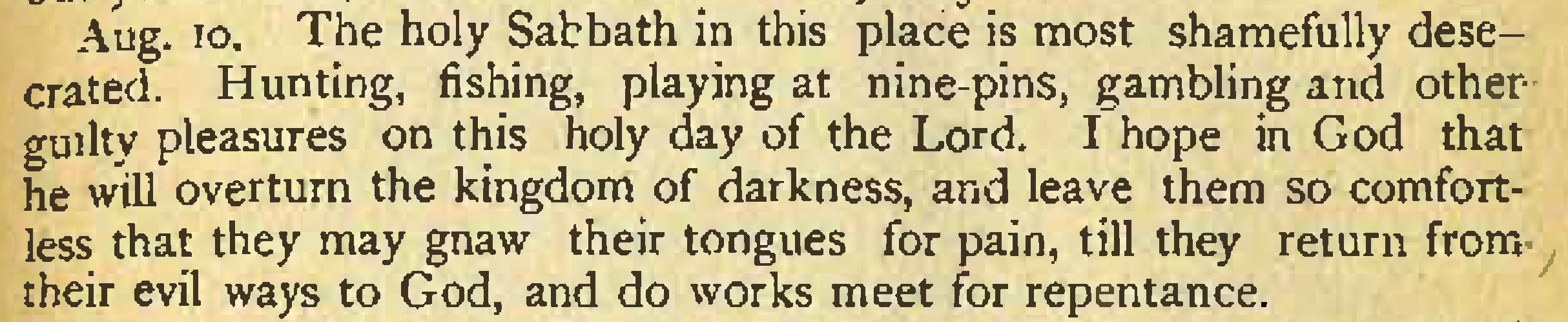
Aug. 10. The holy Sabbath in this place is most shamefully dese­crated. Hunting, fishing, playing at nine-pins, gambling and other guilty pleasures on this holy day of the Lord. I hope in God that­ he will overturn the kingdom of darkness, and leave them so comfort­less that they may gnaw their tongues for pain, till they return from- their evil ways to God, and do works meet for repentance.

Woodworth, James W., My path and the way the Lord led me, Milwaukee, 1878, p. 79.

Continue reading
How’d they get here? – JMC, the Bonniwells, and Whitehall, NY

We’ve mentioned Whitehall, New York, on several occasions. Located just east of the south end of Lake Champlain, the town of Whitehall has long claimed to be the “Birthplace of the U.S. Navy.” More importantly for our story, in 1823 Whitehall became the northern terminus of the Champlain Canal, connecting the Hudson River and the Erie Canal to Lake Champlain and points further north.1

Port of Entry

More importantly for our story, Whitehall served as an international port of entry for immigrants coming to New York and New England from Canada and overseas via the St. Lawrence River and Lake Champlain. In the early 1830s, these immigrants included Jonathan M. Clark, who came from Lower Canada in April, 1831,2 and the entire Bonniwell family, who arrived the following year.3

What did our immigrants of 1831 and ’32 see just before they stepped ashore in the United States? The hustle and bustle of a major harbor and center of commerce such as New York, Boston or Philadelphia? Er, no. Instead, this is what greeted our intrepid newcomers:

Whitehall, Lake Champlain

Milbert, Jacques Gerard, Amerique Septentrionale – Etat de New-York. N. 21, pl. 1…White Hall, Lake Champlain, Lithograph by Bichebois and Adam, Paris, 1828–1829. Yale Art Gallery, Mabel Brady Garvan Collection. Public Domain. Click to open larger image in new window.

Continue reading

Snow!

Much of this post appeared last year, but since we—finally!— got some snow in southeast Wisconsin last night, I thought I’d share it again, with a few additions and revisions, and a new, hand-colored, version of the artwork.

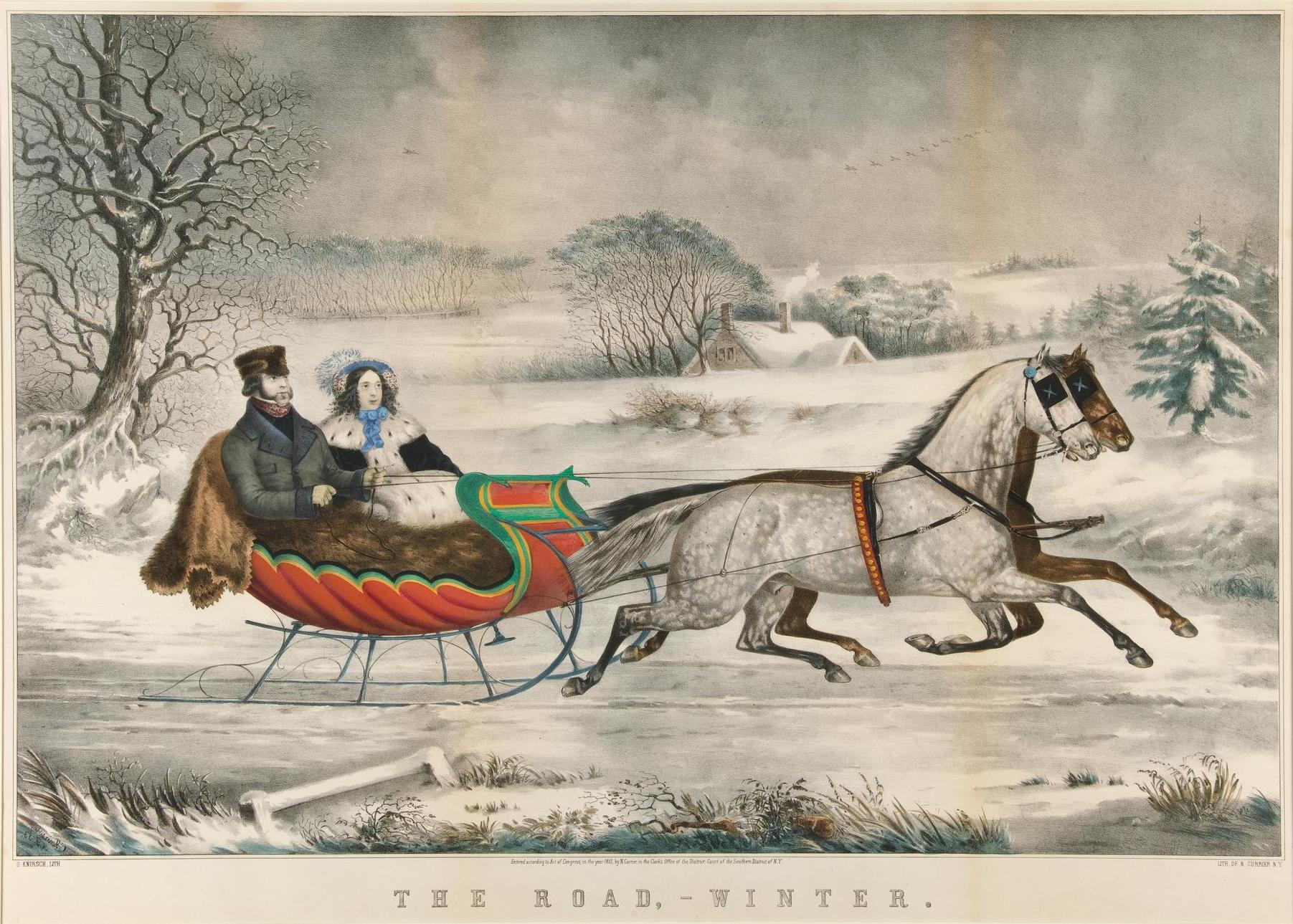
Snow, and often lots of it, was a feature of Jonathan and Mary Clark’s life in Wisconsin. So if you wanted to go to town or church or visit your neighbors during the snowy Wisconsin winter—or just enjoy a pleasant winter ride in the country—you’d need a sleigh.

Currier, Nathaniel (1813-1888), The road, winter / O. Knirsch, lith., 1853. New York: Published by Currier & Ives. Yale University Art Museum, Whitney Collections of Sporting Art, given in memory of Harry Payne Whitney (B.A. 1894) and Payne Whitney (B.A. 1898) by Francis P. Garvan (B.A. 1897) June 2, 1932. Public domain. Click to open larger image in new window.1

We don’t know if the Clarks owned a sleigh while they lived in Mequon. I suspect they did, though their sleigh—and their clothing—may not have been quite as posh as those in this Currier & Ives lithograph from 1853.

Continue reading

Santa Claus visits Milwaukee, 1867

Tonight is Christmas Eve, and I thought you might enjoy an expanded reprise of our 1867 Santa Claus story, originally posted December 25 and 30, 2017. This year I have combined the two original posts and incorporated some new illustrations and a few revisions of the text. Here it is again, for your holiday enjoyment. Ho! Ho! Ho!

Christmas in early America

For many years now, Christmas has been celebrated by Americans as an important religious and (increasingly secular) community holiday. Christians gather to worship and commemorate the birth of Jesus, and they and other Americans enjoy a break from work to gather with family and friends to feast and exchange gifts. But it was not always this way.

In many of the American colonies, Christmas was not observed as a religious or secular holiday. The seventeenth-century Puritan leaders of the Massachusetts Bay Colony considered Christmas to be non-biblical and pagan influenced. In Boston and other parts of New England any observance of Christmas was prohibited and, for a few years, actually illegal:

Penalty for Keeping Christmas, 1659

Records of the Governor and Company of the Massachusetts Bay in New England. Printed by order of the Legislature, edited by Nathaniel B. Shurtleff, M.D., Vol. IV, Part I, 1650-1660, online at mass.gov (accessed 21 Dec. 2021). Click to open larger image in new window.

Transcription:
For preventing disorders arising in several places within this jurisdiction, by reason of some still observing such festivals as were superstitiously kept in other countries, to the great dishonor of God and offence of others, it is therefore ordered by this Court and the authority thereof, that whosoever shall be found observing any such day as Christmas or the like, either by forbearing of labor, feasting, or any other way, upon such accounts as aforesaid, every such person so offending shall pay for every such offence five shillings, as a fine to the country.

Christmas was not generally accepted as a holiday in many parts of the United States until after the federal government made December 25 a national holiday in 1870.

On the other hand…

The Massachusetts Puritans may not have approved of “observing any such day as Christmas or the like, either by forbearing of labor, feasting, or any other way,” but Christmas was “kept in other countries” and increasing numbers of immigrants from those countries to the United States—particularly from Victorian England, Catholic Europe, and the German Lands—celebrated the day in their new American homes with many of their accustomed religious observances and national traditions.

Continue reading

A Bonniwell Bonus: Views of Ramsgate and Chatham, England

UPDATED, Oct. 4, 2021, with a few minor edits and to add an additional footnote.

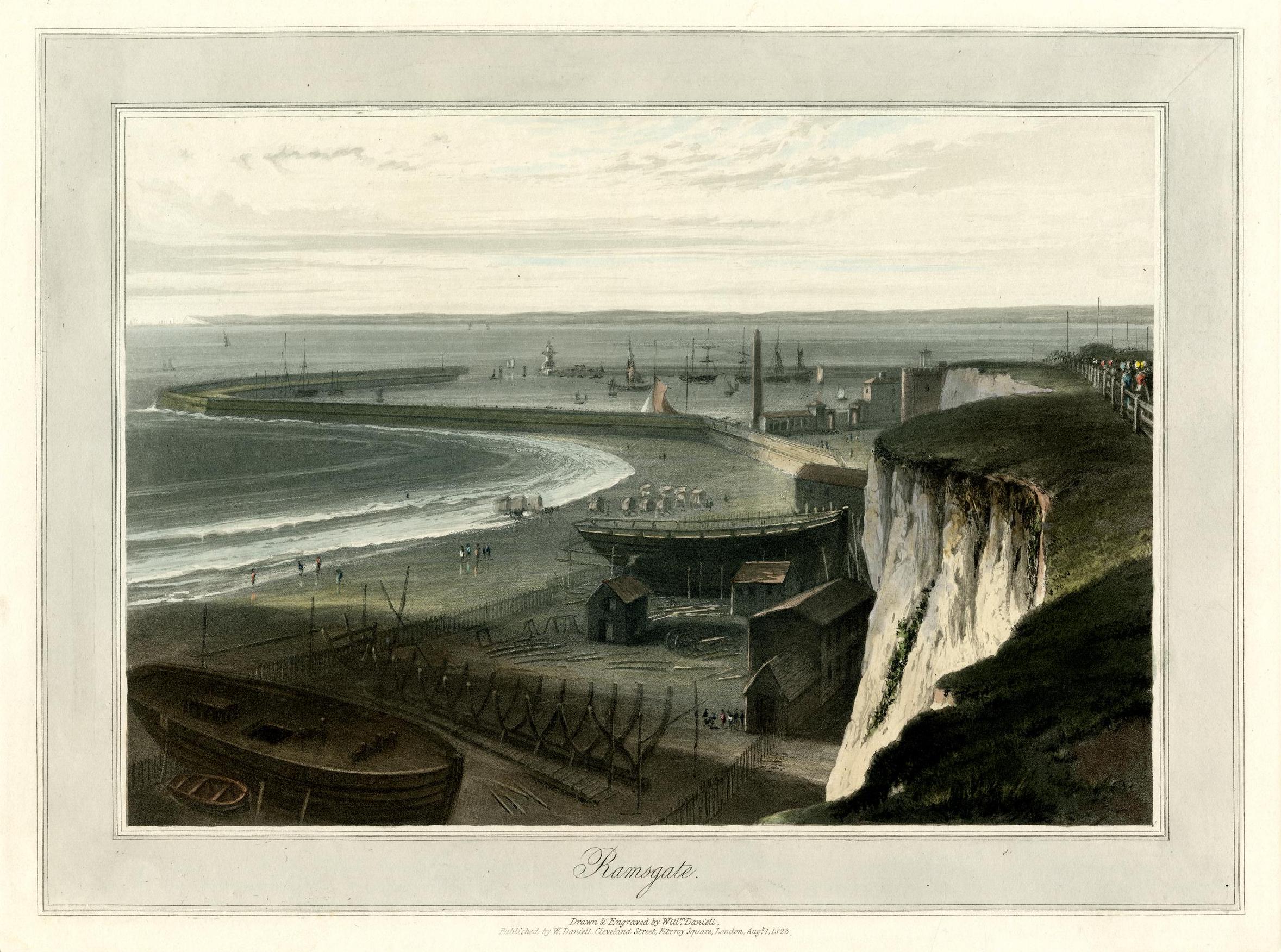
I’m still working on some longer posts; they should be ready soon. Meanwhile, I thought you might enjoy two lovely images, beginning with this nineteenth-century print, a view that would have been very familiar to a surprising number of our early Mequon immigrants:

Continue reading

How’d they get here? Buffalo – a tale of two harbors

Our series of “How’d they get here?” posts is written to illustrate the nuts and bolts of how our early Mequon pioneers travelled from their original homes or ports of arrival in North America, to the newly opened federal lands in Wisconsin Territory, circa 1830-1850. See Note 1, below, for links to other posts in the series.

Village of Buffalo, 1825

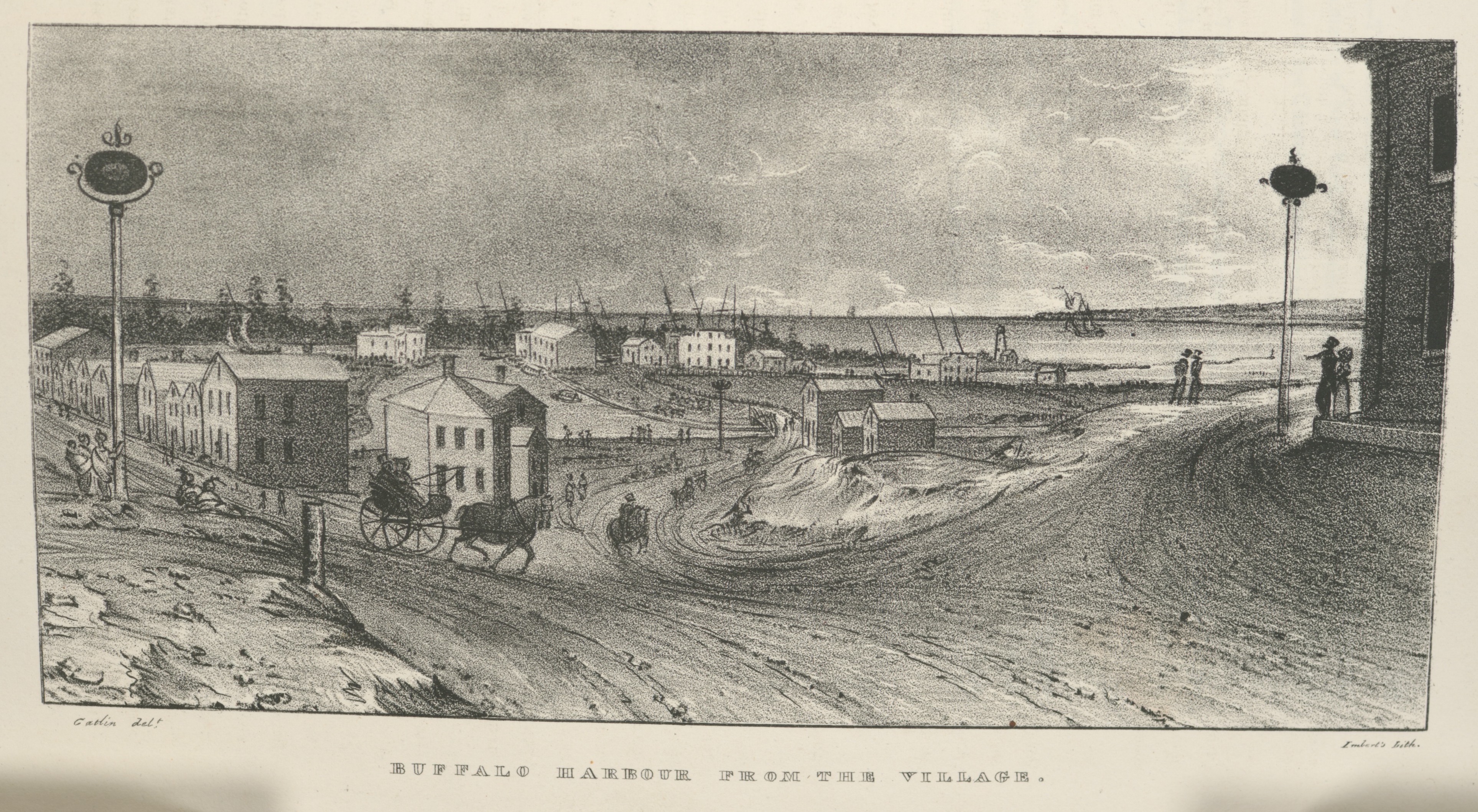
In a previous post, we followed the newly-opened route for westward migrants from the New York City docks, up the Hudson River to Albany, and then along the new Erie Canal towards its terminus at the village of of Buffalo, New York, at the eastern end of Lake Erie. After seven days of travel on canal boats, the westbound traveler of 1825 would have looked up and seen this, the muddy streets and modest harbor of Buffalo:

Buffalo Harbour from the Village, in Cadwallader Colden, et. al., Memoir…at the Completion of the New York Canals, New York, 1825. Image from “extra-illustrated” edition in New York Public Library Digital Collections, scanned copy of standard edition of book via GoogleBooks. Public domain. Click to open larger image in new window.

After leaving the Deep Cut above Lockport, the last part of the Erie Canal merges with Tonawanda Creek, seen here flowing into the village from far left to center, in front of the line of distant trees, and then curving toward the viewer before exiting into the harbor, to the right. The original Buffalo lighthouse of 1818 can be see on a small peninsula, right of center, just above where Tonawanda Creek meets the lake.

Continue reading

“J. M. Clarke” – Town Supervisor, 1846

Every now and then it pays to take a fresh look at familiar sources. One of the key sources for the early history of Mequon and its parent counties is The History of Washington and Ozaukee Counties, Wisconsin […] Illustrated, published in Chicago in 1881. And even though I’ve been using this book for Clark House research for over a decade, I still discover (or, in this case, re-discover) facts about Mequon—and, specifically, Jonathan M. Clark—that I had either not known before, or had noticed, “filed for future reference,” and forgotten to write about. Today’s post fixes one such omission.1

The first meeting of the Town of Mequon, April 7, 1846

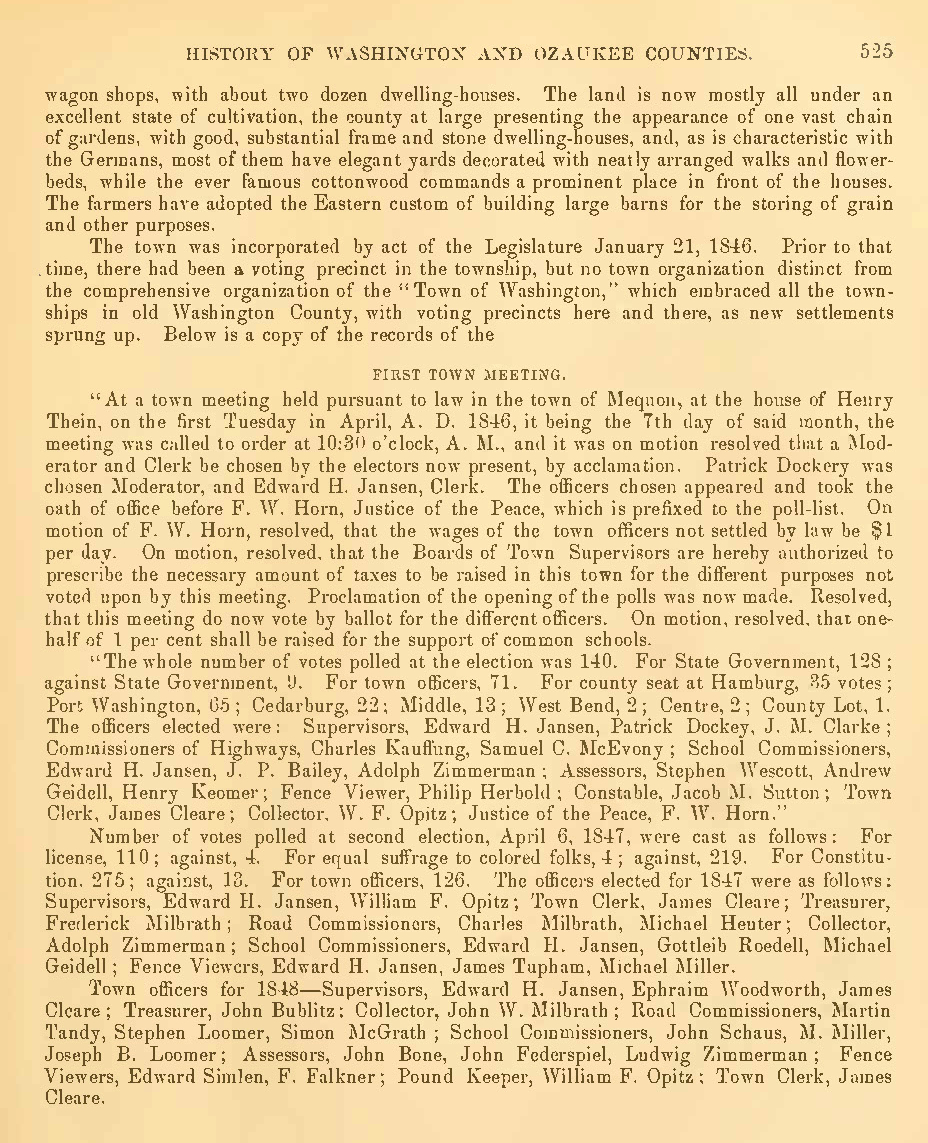
Page 525 of The History… contains a load of information about the beginnings of town government in Spring, 1846. Unfortunately, it’s the sort of densely worded, 19th-century “history” writing that makes the reader want to skip ahead to something less dry. Here, take a look; start with the first full paragraph, beginning “The town was incorporated”…

The History of Washington and Ozaukee Counties, Wisconsin […] Illustrated, Western Historical Co., Chicago, 1881, page 525, pdf of full book via GoogleBooks. Additional online, pdf copies can be found at Hathi Trust, the Wisconsin Historical Society and Archive.org. Click to open larger image in new window.

That’s a lot of info: names, dates, job titles. Let’s break things up a bit and take a closer look at what’s going on as old Washington county transitioned from the original county-wide system of government to the new system, in which each town will be responsible for much of its own governance.

Continue reading

RBOH: How do you spell “Bonniwell”?

Another short post in our occasional series of Random Bits of History.

On my way to doing more research on Henry M. Clark’s possible service with the Union army, circa 1863-65, I stopped to re-check some essential resources. One of these is the National Park Service’s Civil War Soldiers and Sailors Database. This is a very useful and handy resource when searching for information on individual soldiers and the histories of the units in which they served.

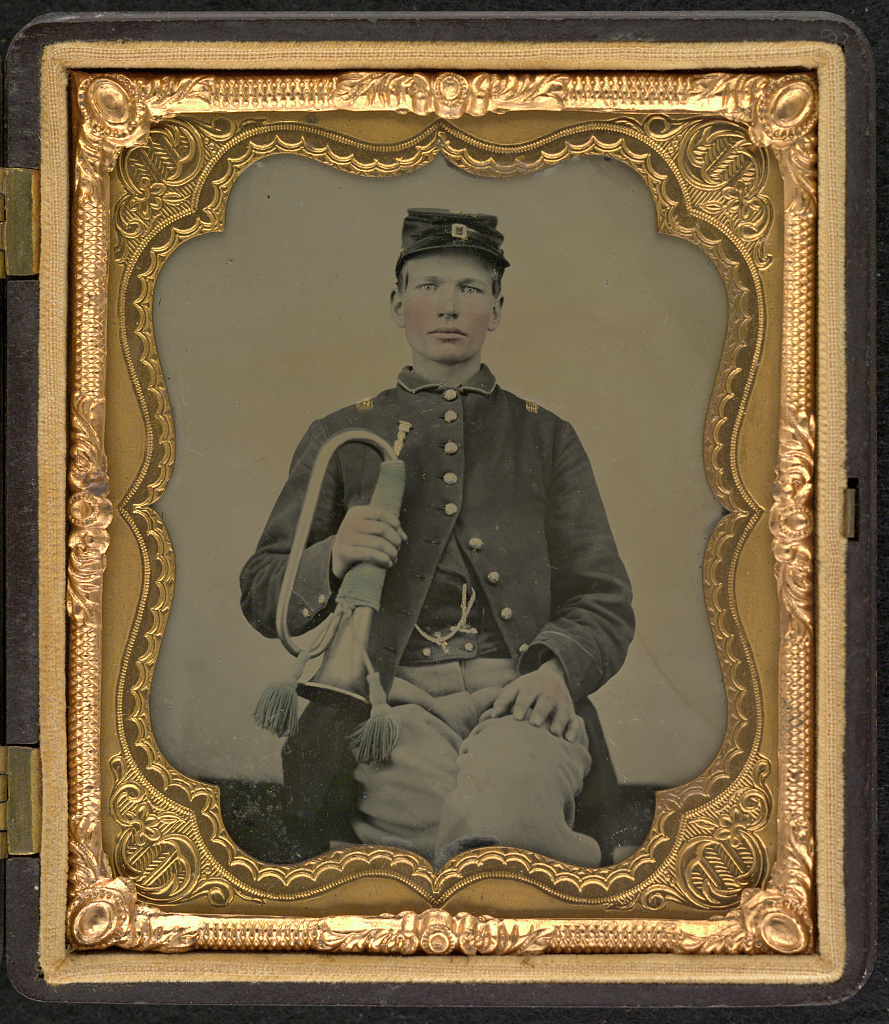
I thought I’d recheck the service info of some other Mequon-born or -related soldiers, including young Evander B. Bonniwell. As mentioned in earlier posts, Evander Bonniwell (1847-1930), was the son of Clark House neighbors James and Phebe (Capes) Bonniwell. Evander served as a bugler, rank of private, Company I, 2nd Regiment, Wisconsin Cavalry. He enlisted at age 14, and served for four years as company bugler.

[Unidentified soldier in Union uniform with bugle], photographer unknown, United States, c. 1861-1865, Library of Congress. Note: this is not a photograph of Evander B. Bonniwell, but of another young, unknown, Union Army bugler from Evander Bonniwell’s era.

Continue reading

River walk

There was still some daylight left after the annual “Pie on the Patio” event at the Clark House last week, so I thought I’d stop by Mequon’s historic Isham Day House on my way home. Isham Day was one of Mequon’s first settlers, and he built his tidy home, sometimes known as the “Yankee Settler’s Cottage,” in 1839. It’s a town landmark, and I’d never been to see it.

While enjoying my first look at the Day House, I also took the opportunity to meander through the adjacent Settlers Park. It’s a beautiful little park, with an accessible boardwalk that leads down to and along the west bank of the Milwaukee River. It’s a short, easy stroll; I highly recommend it. By the time you reach the riverbank you’ll forget you are in a busy 21st-century downtown.

Photo credit: Anna Perkins, 2021. Click any photo to open gallery and access larger versions of the images.

Continue reading

Memorial Day, 2021

This is a revised and updated version of a post that originally appeared here on May 25, 2020. Please be sure to read the Notes & Updates, below, for new information.

Lest We Forget

Graves of Unknown Union Soldiers, Memphis National Cemetery, photo by Clayton B. Fraser, (Library of Congress), public domain. Memphis National Cemetery is the final resting place of Mequon’s Watson Peter Woodworth, and almost 14,000 of his Union Army comrades.

As we begin to recover1 from the worst pandemic in a century, a quick glance at the news will show that many Americans are celebrating this “Memorial Day Weekend” in our now usual way, as “the first day of summer.” Beaches and parks are open, stores entice customers with deals and sales, and people are crowding shoulder to shoulder in swimming pools and along ocean boardwalks.

But for many of us, Memorial Day remains rooted in its origins as Decoration Day. The first national observance was in 1868, when retired general John A. Logan, commander and chief of the Grand Army of the Republic—the Union veterans’ organization—issued his General Order Number 11, designating May 30 as a memorial day “for the purpose of strewing with flowers or otherwise decorating the graves of comrades who died in defense of their country during the late rebellion, and whose bodies now lie in almost every city, village, and hamlet churchyard in the land.”

This Memorial Day, let’s remember those Clark House family, friends, and Mequon neighbors who served in the Civil War, and what they fought—and died—for. The History of Washington and Ozaukee Counties (1881) lists these 65 volunteers from Mequon:

Continue reading