This blog, Clark House Historian, published its first post 10 years ago today! (And just to be clear, the Clark House Historian blog is ten years old today. Reed Perkins, the Jonathan M. Clark House historian and author of the blog is, alas, a good deal older…)
Time to celebrate!
Our first post was a modest, two-paragraph “welcome” post, reproduced—in its entirety—below:
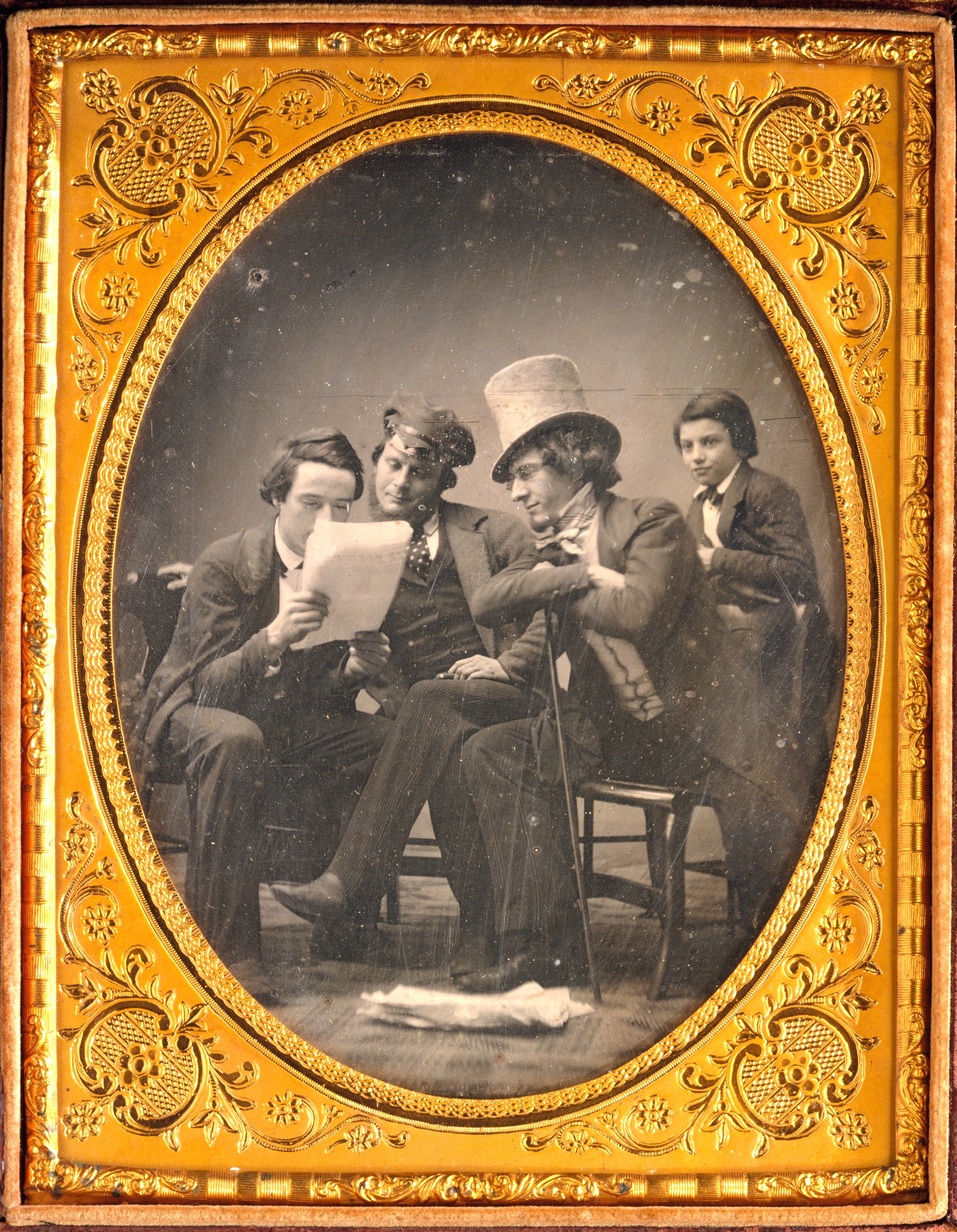
What’s the news? I’ve gathered the expert—and stylish—editorial staff of Clark House Historian (see above) and together we proudly present the latest installment of our more-or-less annual Blog Year in Review!
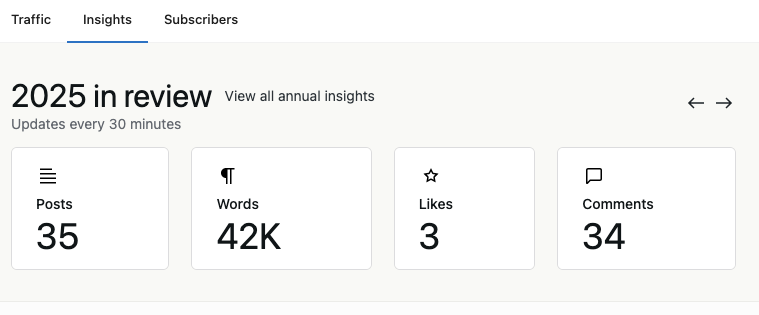
Let’s begin with some blog statistics for 2025:
In some ways, 2025 was not a particularly productive year for CHH. I only managed to publish 35 posts, averaging less than one per week. Most posts were new material, but some were revised repeats of favorite seasonal and holiday topics, such as Christmas, Memorial Day, Veterans Day and such.
Meanwhile, “behind the scenes,” I was busy with some non-blog research projects, one focused on the post-Fred Beckmann history of the Wisconsin House building in Cedarburg, and another centered on the history and construction of the Jonathan Clark House.
Not surprisingly, with the number of CHH posts down, reader engagement dropped also, to a low of only 3 “likes” and 34 comments for the year. Just to be clear, I really do like to hear from y’all, so let me encourage you “like,” comment, and ask questions more often in 2026. Even if I’m working on a larger, longer, research project—which tends to slow my online blog production—I really enjoy reading and replying to your queries.
On the other hand, the number of blog subscribers increased in the past year. Clark House Historian currently has 86 subscribers. If you’d like to comment or subscribe, but don’t know how, click this link for all the “how to” details.
Monthly readership
As you can see (below), even though the number of new posts in 2025 was lower than in previous years, total blog readership was up substantially over 2024:
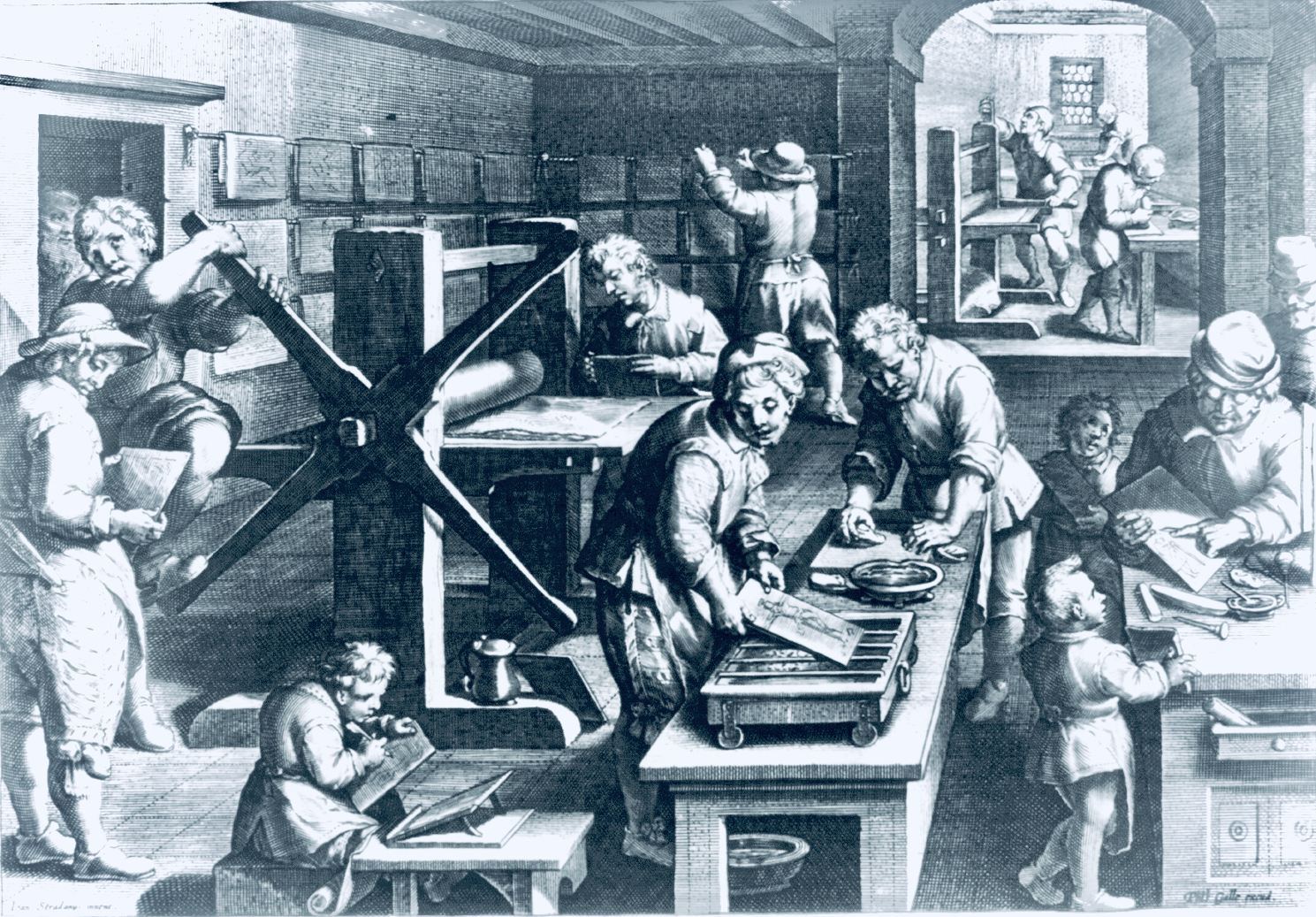
Hot off the (virtual) presses, the latest issue of the Jonathan Clark House Newsletter is here! Seven pages of JCH news, announcements, and photographs, recalling some of our summer 2025 activities and looking ahead to Fall at the Clark House. And fortunately for us—living in the 21st-century—no hand-typesetting, manual printing, or acid baths for copperplate engravings were required.
For all the details, and your own pdf copy of the new newsletter, click “Continue reading”…
In a recent CHH post I wrote about my Saturday, August 16 visit to, and presentation at, the WSDAR’s excellent Fort Winnebago Surgeons Quarters historic site. That was worth a road trip in itself. But since I was heading up to Portage, I decided to make a history weekend out of the occasion. So on Friday the 15th, I spent a fine few hours touring the nearby Historic Indian Agency House and museum, just a short distance from the Surgeon’s Quarters across the old channel of the Fox River.
Historic Indian Agency House, 2025. Photo credit: Reed Perkins
The Historic Indian Agency House
The Historic Indian Agency House (HIAH) is one of Wisconsin’s oldest museums and a “must see”, for those of you interested in the early days of the Wisconsin Territory and the history of the state’s original Native American inhabitants and their forced removal during white settlement in the 1820s, ’30s and beyond. Like the nearby Fort Winnebago and its remaining Surgeon’s Quarters, the story of the HIAH overlaps and intersects with the story of Jonathan M. Clark and his 1833-1836 military service at Fort Winnebago’s headquarters post, Fort Howard, in Green Bay.
Sorry for the delay on part 2 of my “I’ve been busy…at the Portage!” posts. At the moment I’ve got my (ever-so-stylish) editor hat on—and hands full—as I put the final touches on the layout of the next Jonathan Clark House newsletter.
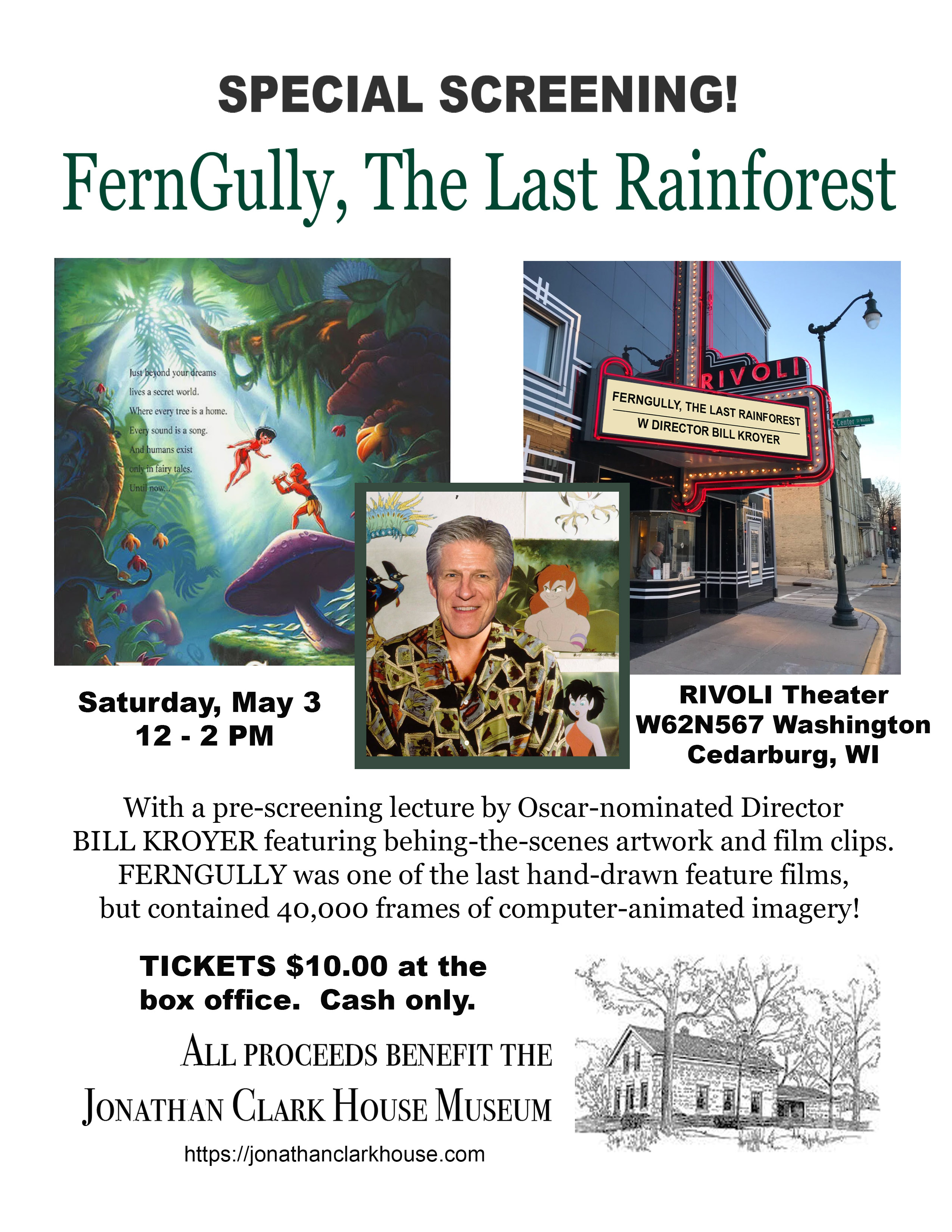
Join us! this Saturday, May 3rd, 12:00-2:00 p.m., for a special screening of FernGully, the Last Rainforest at the historic Rivoli Theater, W62N567 Washington Avenue in downtown Cedarburg . All proceeds to benefit the Jonathan Clark House Museum.
This unique event features a pre-screening illustrated talk by Oscar-nominated director Bill Kroyer, featuring behind-the-scenes artwork and film clips. Doors open at 11:30 a.m. Come early and enjoy a specially-created, big-screen Clark House trivia quiz before the main event begins at Noon!
The Jonathan Clark House is excited to announce a special screening of FernGully, the Last Rainforest. on Saturday, May 3rd, 12:00-2:00 p.m., at the historic Rivoli Theater, W62N567 Washington Avenue in downtown Cedarburg.
This unique event features a pre-screening presentation by Oscar-nominated director Bill Kroyer, featuring behind-the-scenes artwork and film clips.
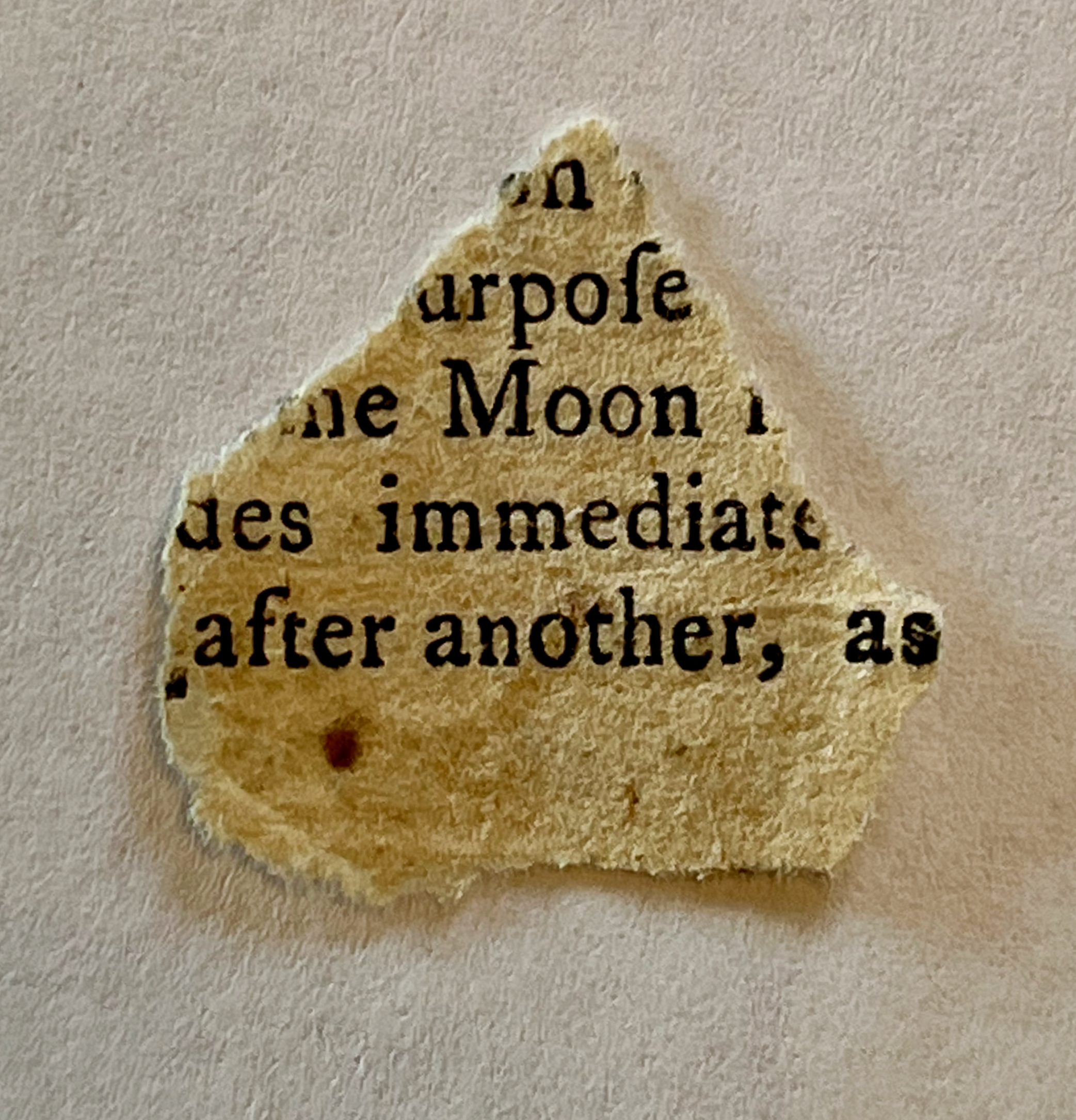
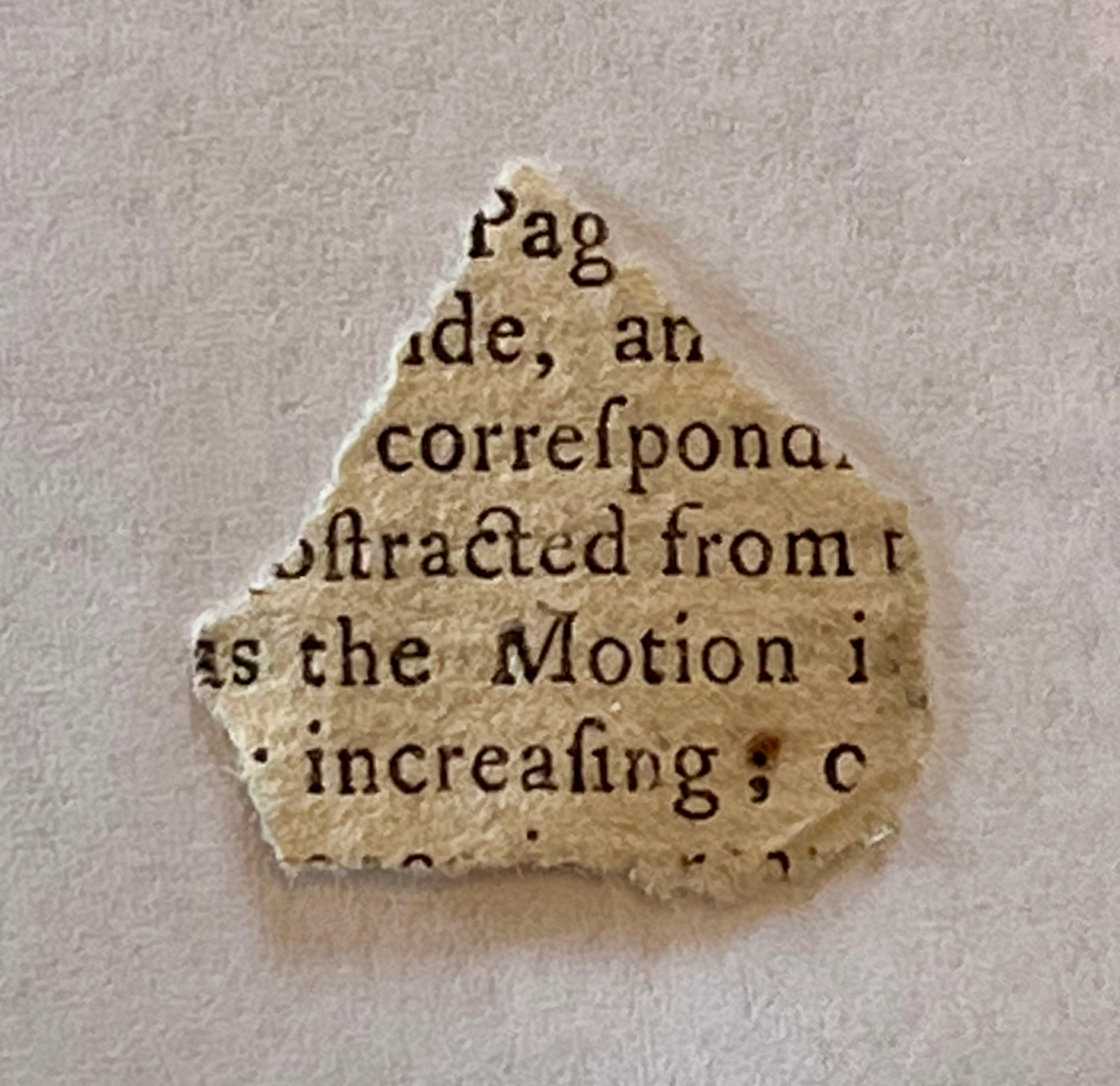
Among the real pleasures of writing a blog like this are the comments I receive from CHH readers. Recently, I heard from reader James Cornelius of nearby Grafton, Wisconsin,1 who had some thoughts about our January 24, 2025, post “Help the Historian: Mysterious (Bible?) Fragment.”2
As the original post explained, I had been examining a number of loose Bonniwell papers, scraps, and other ephemera that were donated to the Clark House along with the Bonniwell family Bible itself, and I was particularly interested in one little fragment of printed text that had me baffled.
The mysterious fragment, sides A & B, photo credit: Reed Perkins, 2022.
In my original post, I examined the text and typography of the fragment and estimated that the it was published sometime between the late-sixteenth century (at the very earliest) and—at the very latest—the first decades of the nineteenth century. And the mentions of “Moon” and “motion” and such suggested a source that might be more scientific or philosophical, and not necessarily a sacred text, but I couldn’t think what that might be.
A new possible source: Almanacs!
In his comment, James observed: My hunch is that this triangular scrap /bookmark came from an almanac, likely as common in 1800-1820 U.K. as in U.S. a half-decade later. Many fairly good or detailed ‘scientific’ discussions appeared in the old almanacs or ‘farmer’s friends.’
I think James is on to something. Almanacs seem like a very plausible source. But how common were farmer’s almanacs in the UK, and how likely was it that the Bonniwells had access to these annual “farmer’s friends” in Chatham, Kent, England, in the years before their 1832 immigration to North America?
Just a reminder: Saturday, March 1, 2025, from 9:00 am to Noon, the Jonathan Clark House Museum, at the corner of Bonniwell and Cedarburg Roads in Mequon, will host a special museum open house featuring an up-close exploration of our newly-acquired 1860 Plat Map of Mequon.
I’m spending some of my time this winter on projects related to the cataloging, interpretation and display of our historic Bonniwell Family Bible. One of the items on my “to do” list involves the study of a number of Bonniwell papers and other ephemera that were donated along with the Bible itself. Some of the miscellaneous papers are self-explanatory and easily understood. But one little fragment of printed text has me baffled, and I need your help, history lovers!



 Clark House Historian