Fort Howard, October 1833 (part 1)

Jonathan M. Clark arrived and reported for duty at Fort Howard, the headquarters of the U.S. Army’s Fifth Regiment of Infantry on Sunday, October 20, 1833. He served there until his  discharge at the end of service in 1836. What did he do for those three years?

After the national excitement over the brief Blackhawk War in 1832, the northwest frontier was generally calm. The federal government continued to negotiate treaties with the Native Americans, urging them ever westward. Most Indians and white settlers observed the treaty boundaries and there was only the occasional “scare” from the original inhabitants. So what were the soldiers to do?

Let’s take a further look at Ft. Howard’s “Return of the Fifth Regiment of Infantry” for the month of October, 1833 and see what we can find. Here’s the front side: Continue reading
Pvt. Clark, reporting for duty

One of the most useful facts we discovered in looking at Jonathan M. Clark’s entry in the U.S. Army’s Register of Enlistments was that Jonathan was assigned to the Fifth Infantry, Company K. In the 1830s, the Fifth Infantry’s mission was to protect the expanding northwestern frontier.

The regiment’s companies were stationed at Ft. Dearborn (present day Chicago), Ft. Howard (Green Bay) and Ft. Winnebago (at the portage between the Fox and Wisconsin rivers, near the city of Portage). It was the regiment’s job to protect the settlers from the Native Americans (and vice versa), keeping the peace along the boundaries between the two peoples, as established in a series of treaties that, for the most part, continuously pushed the Indians farther and farther westward, toward the Mississippi River and beyond. Continue reading

JMC in the U.S. Army Register

Every effective fighting force must be organized, and the United States Army is no exception. In war or peace, the army has to manage a complex array of soldiers, supplies and facilities. This requires bureaucrats and their paperwork. Once Jonathan M. Clark joined the Army in September, 1833, his federal paper trail began.

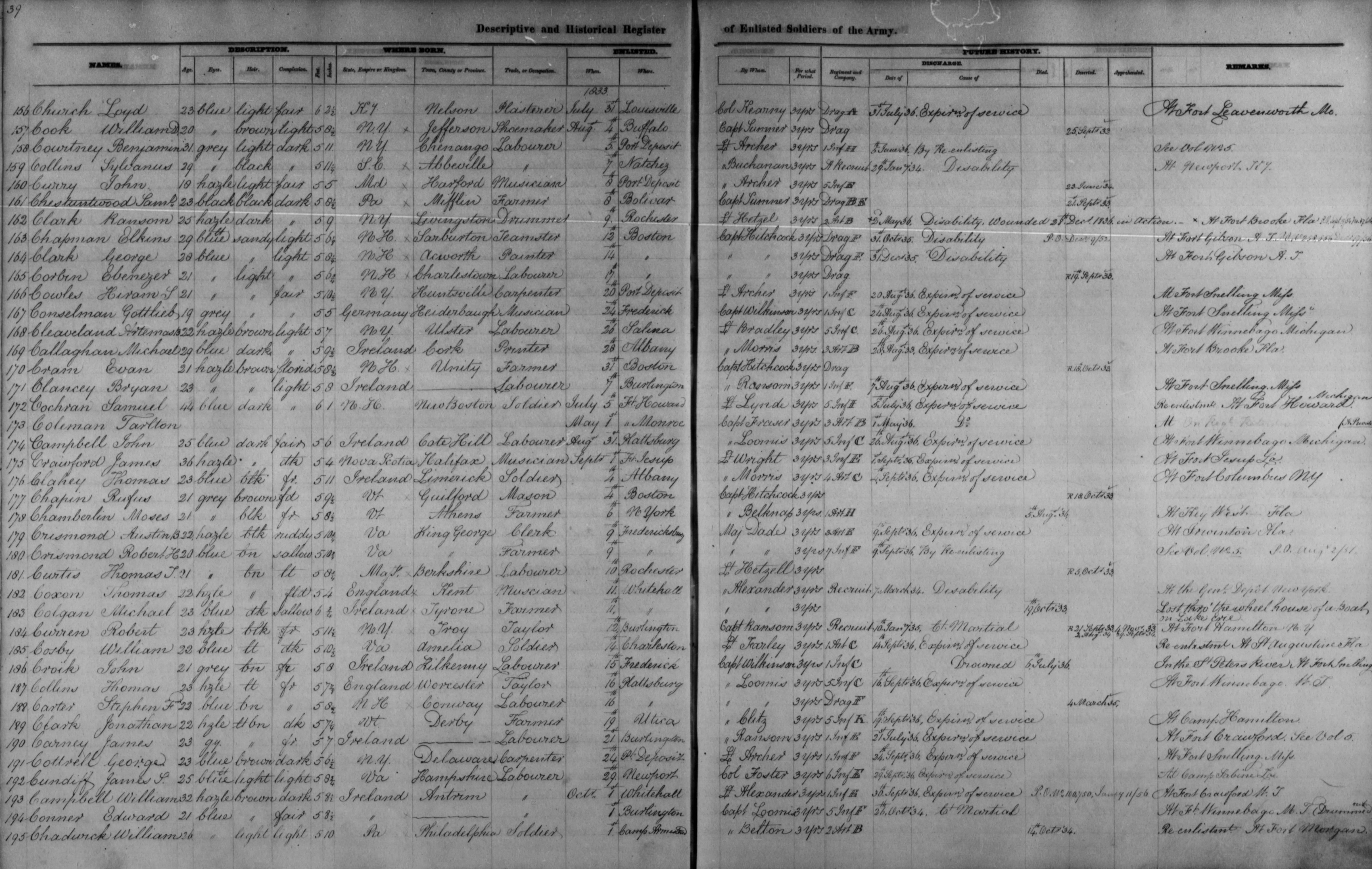
To find Jonathan among all the other recruits and their paperwork, and to follow him through his army years, we need some kind of guide or index and thankfully, since 1798 the army has maintained just what we need, its Register of Enlistments. Here’s JMC’s entry in the volume covering enlistments from January 1828 through 1835, organized alphabetically by surname. He’s near the bottom—look for enlistee number 189:

CLARK, Jonathan in US Army Register

Jonathan M. Clark in NARA M233. Registers of Enlistments in the United States Army, 1798-1914. Roll: MIUSA1798_102878. Accessed online via Fold3.com

Click image to open at full size in a new window.

Continue reading

JMC Joins the Army: A Closer Look

I love primary sources. Not only can you learn interesting information—that may include actual, accurate, facts (with allowances for misspellings and such)—but primary sources often convey a flavor or sense of the moment and suggest additional lines of inquiry. With that in mind, let’s take a closer look at Jonathan M. Clark’s 1833 U. S. Army enlistment paper as featured in our earlier post “Jonathan Joins the Army” and see what we can infer from the information there.

First of all, how do we know this Utica, New York, enlistment belongs to “our” Jonathan M. Clark? Census and other records show that there are plenty of Clarks from New England, born about the same time as our JMC, some of whom served in the army, and some of whom came to the Michigan/Wisconsin Territory in the early 1830s. My research shows there may even have been a second, unrelated, “Jonathan M. Clark” in the Territory at about the same time. So how do we connect our JMC with this 1833 army recruit?

Continue reading

Jonathan Joins the Army

My previous blog post focused on the earliest records we have—yet—of Jonathan M. Clark in old Washington County, Wisconsin: his 1840 marriage license and marriage certificate.

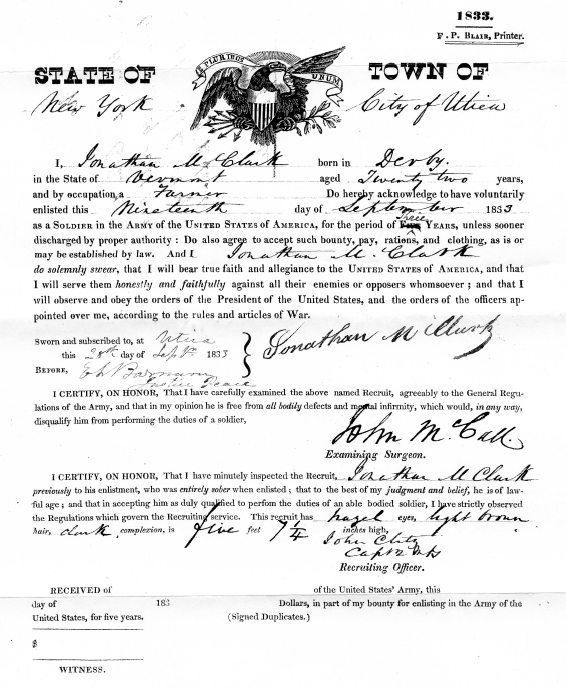
Today’s featured item is the earliest document (that I’ve seen so far) of the life of Jonathan M. Clark, and it has a great deal of interesting personal information. It is the official copy of JMC’s enlistment in the United States Army.

CLARK, Jonathan US Army registration 1813

Jonathan M. Clark’s U.S. Army enlistment papers, September, 1833. From NARA Record Group 94: Records of the Adjutant General’s Office, Entry 91 A: Series I Enlistment Papers (1798-1894). Courtesy Liz Hickman

Continue reading

Where are we?

CLARK, Jonathan house square crop  July,  2015

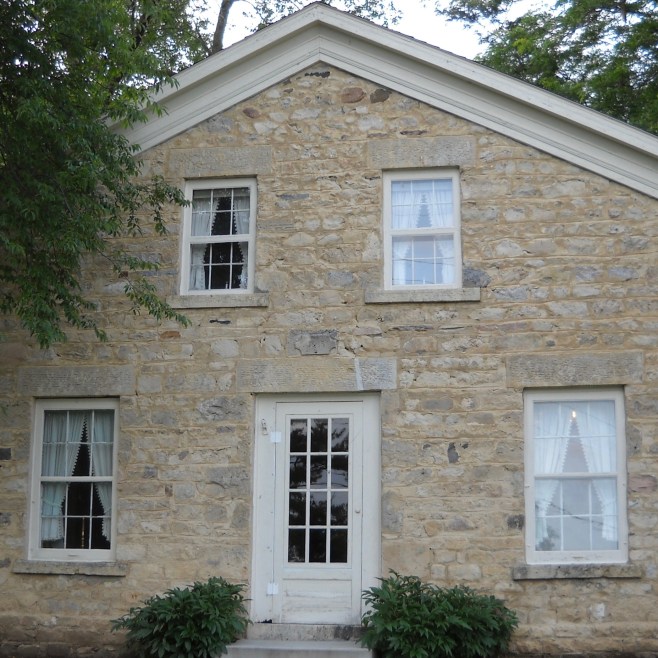
Jonathan Clark House, Mequon, Wisconsin, July, 2015. Photograph by Reed Perkins

Where are we? Well, if you’re looking at this handsome stone house in real life, you’re standing by the front door of the Jonathan Clark House Museum, looking northward. On a modern map you can find it at 13615 N. Cedarburg Road—on the intersection with Bonniwell Road—Mequon, Wisconsin. If you’d like to visit the museum, click here for more info.

But “Where are we?” is never a simple question when it comes to historic places, because the answer often changes over time. Along with “Where are we?” we need to ask “When are we?” The answer to “Where are we?” is surprisingly varied—and useful for further research—throughout the lives of Jonathan and Mary Clark.

Continue reading

JMC: Man of Mystery

NOTE: this 2016 post has been re-posted and updated on November 28, 2020, as Happy 208th Birthday, Jonathan! Please click the link to read the updated version. There are many corrections and additions to the original post that you don’t want to miss.

CLARK, Jonathan M portrait

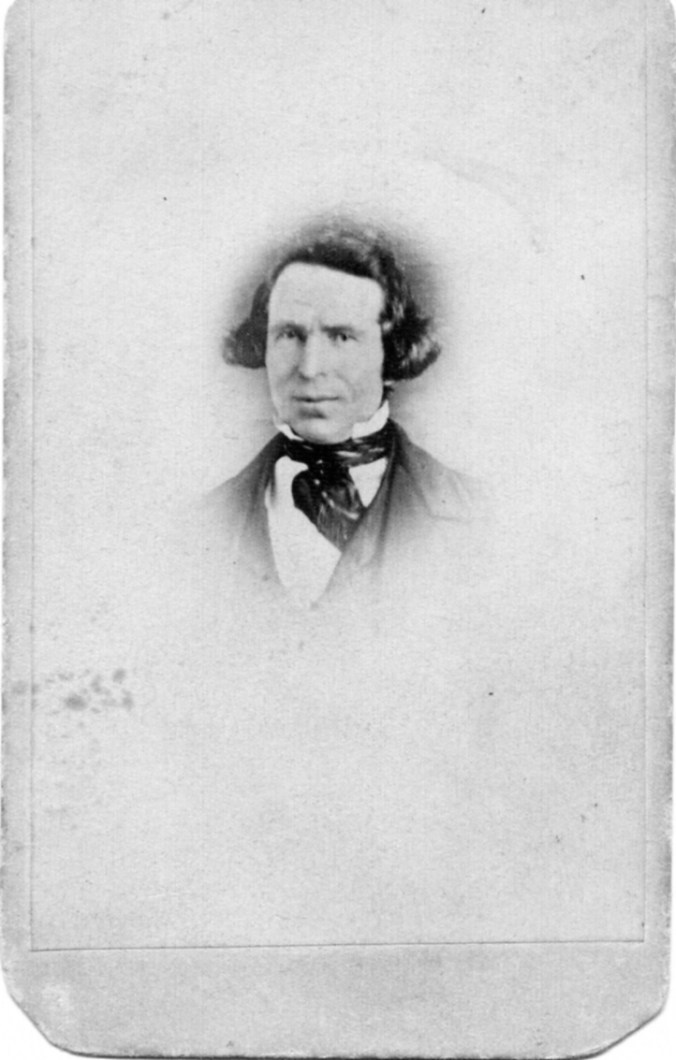
Jonathan M. Clark. Photograph courtesy Liz Hickman.

There he is. Jonathan M. Clark, builder and first owner of the handsome stone home that is now the  Jonathan Clark House Museum in Mequon, Wisconsin. He was probably born in Vermont, possibly on November 28, 1812, and he died in September, 1857. Before coming to Mequon, he served in the United States Army at Fort Howard from 1833 to 1836. He married Mary Turck, eldest child of Mequon pioneer Peter Turck, on March 15, 1840. They had a large family. We even have a photograph of JMC as an adult. In some ways, we know quite a bit about Jonathan M. Clark.

Continue reading

Mary Turck Clark

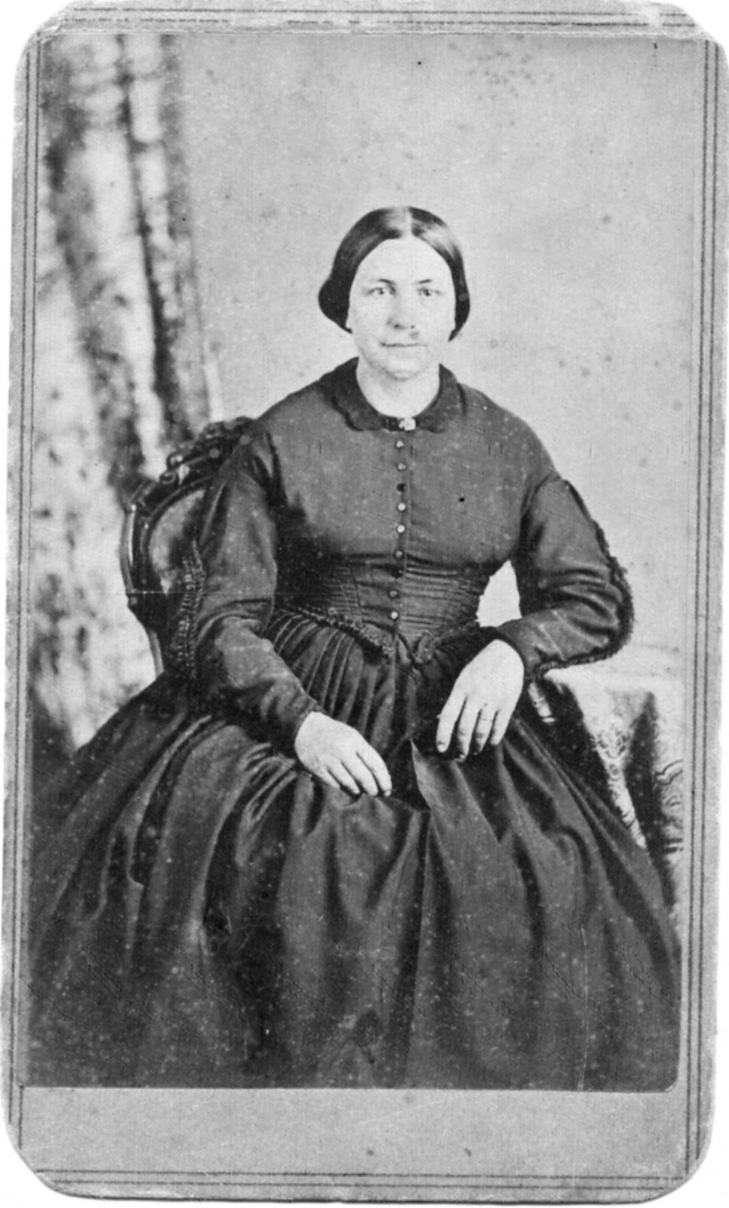
UPDATE, January 30, 2021: this post was the second-ever post on Clark House Historian. It represented what we knew at the time about Mary Turck, the daughter of Peter Turck and Rachael Gay, wife of Jonathan M. Clark, and mother of the eight Clark family children. This original post was pretty accurate, and I’m leaving it here for reference. But we have learned a lot more about Mary and her Turck and Clark families in the intervening almost-5 years. For the most up-to-date info on Mary Turck Clark, please go the the revised version of this biographical sketch. Thanks for reading!

CLARK, Mary TURCK portrait

Mary Turck Clark. Photograph courtesy Liz Hickman.

It is a commonplace of genealogical and historical research that women and their stories are the “forgotten fifty percent.” In most North American societies it was, and in many places remains, the custom that upon marriage the woman took her husband’s surname. Some documents that recorded marriages, births and deaths might include a place for the woman’s surname, and sometimes the names of her parents, but this information was often left blank. After a generation or two, the woman’s name and those of her parents and grandparents would be completely forgotten, even by her closest descendants.

Continue reading