Lost in the underbrush…

Advertisement, “Choppers Wanted,” Milwaukee Sentinel, August 27, 1839, page 3.

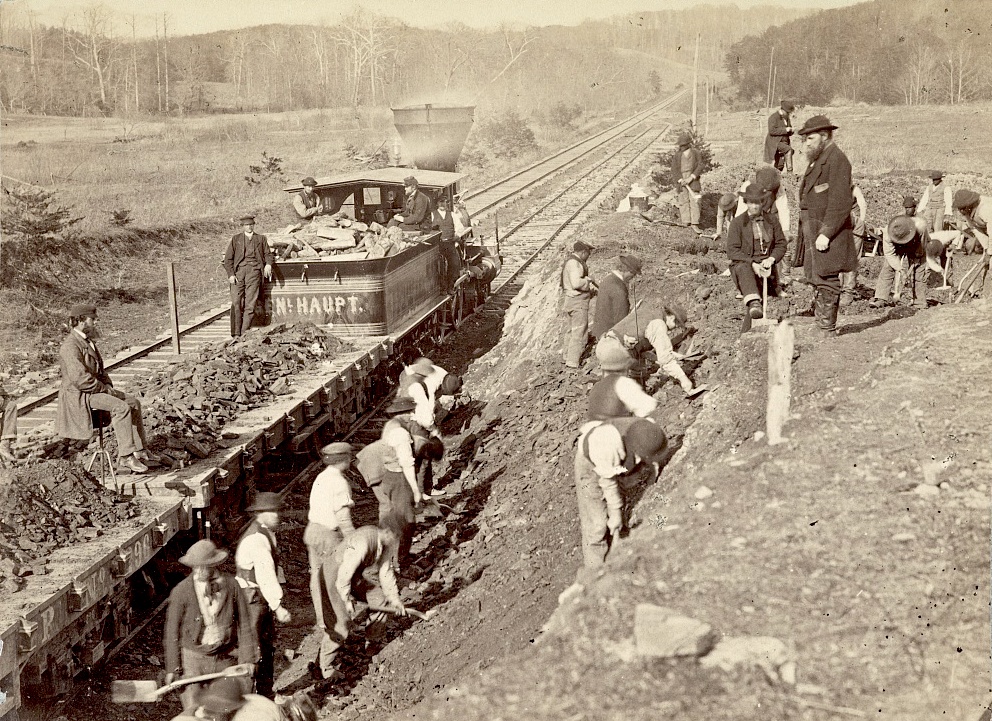
After years of searching for original reports and drawings or photographs of early Wisconsin road construction, I find myself entangled among piles of information and images on just that topic. Now, the challenge is to organize the best of this material into a few CHH blog posts and wrap up—for now—our most recent excursion along Wisconsin’s earliest roads.1

Like contractor George E. Graves in Sauk Harbor [Port Washington] in 1834 (above), I could probably use the assistance of some (digital) “axe-men” to clear my way forward. Perhaps some hearty fellows such as these…

Continue reading

Christmas-Tide: an 1860s Turck family tale

A True Story! from an unexpected source

Christmas is here, and I thought you might enjoy a repeat of this seasonal Turck family anecdote, “a true story,” as related in the pages of Correct English magazine, written, edited and published by Peter Turck’s granddaughter—and Mary (Turck) Clark’s niece—Josephine Turck Baker, and later collected with other similar tales and published as a book, Correct English in the Home, Chicago, 1909.

In the foreword to her book, the author explains:

When I was a little girl, like most children, I was very fond of listening to stories; but unlike most children, I did not care for fairy tales, my first question invariably being, ” IS IT A TRUE STORY?” I don’t want a “once upon a time” story.

This is a true story. The children, their names, the incidents narrated, are all true. Beatrice, Roschen, and the “Boitie,” are my children […]


For those who like really true stories of really true people with really true names, this little book is written. That it may instruct and entertain all readers, both little and big, young and grown up, is the earnest wish of


Yours for Correct English,
Josephine Turck Baker

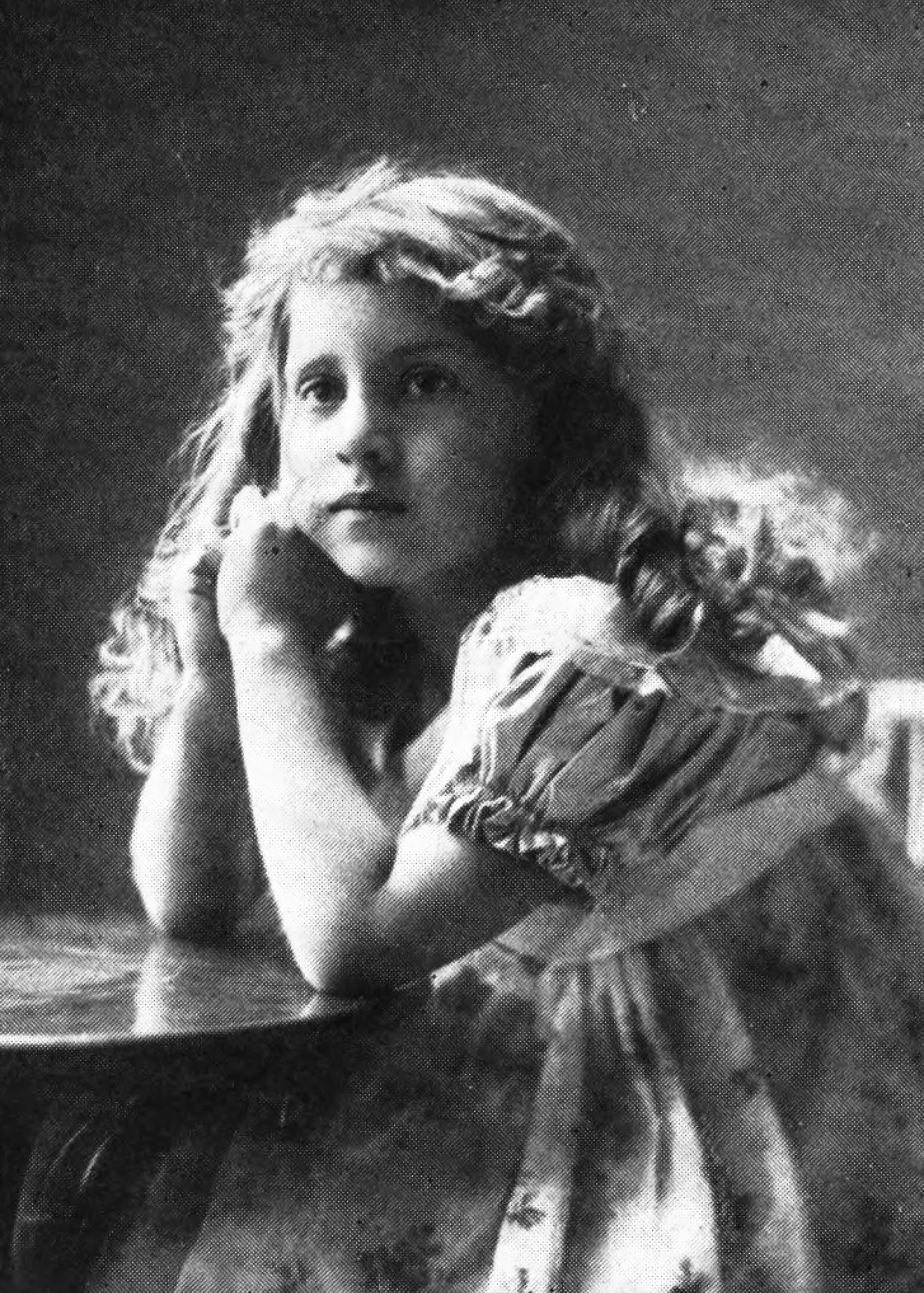
Our Protagonists

Photo credits and dates: see notes below. Click gallery for larger images

Continue reading

Caption Contest: Holiday Edition 2023

Ho! Ho! Ho! — a little nonsense for the end of the year

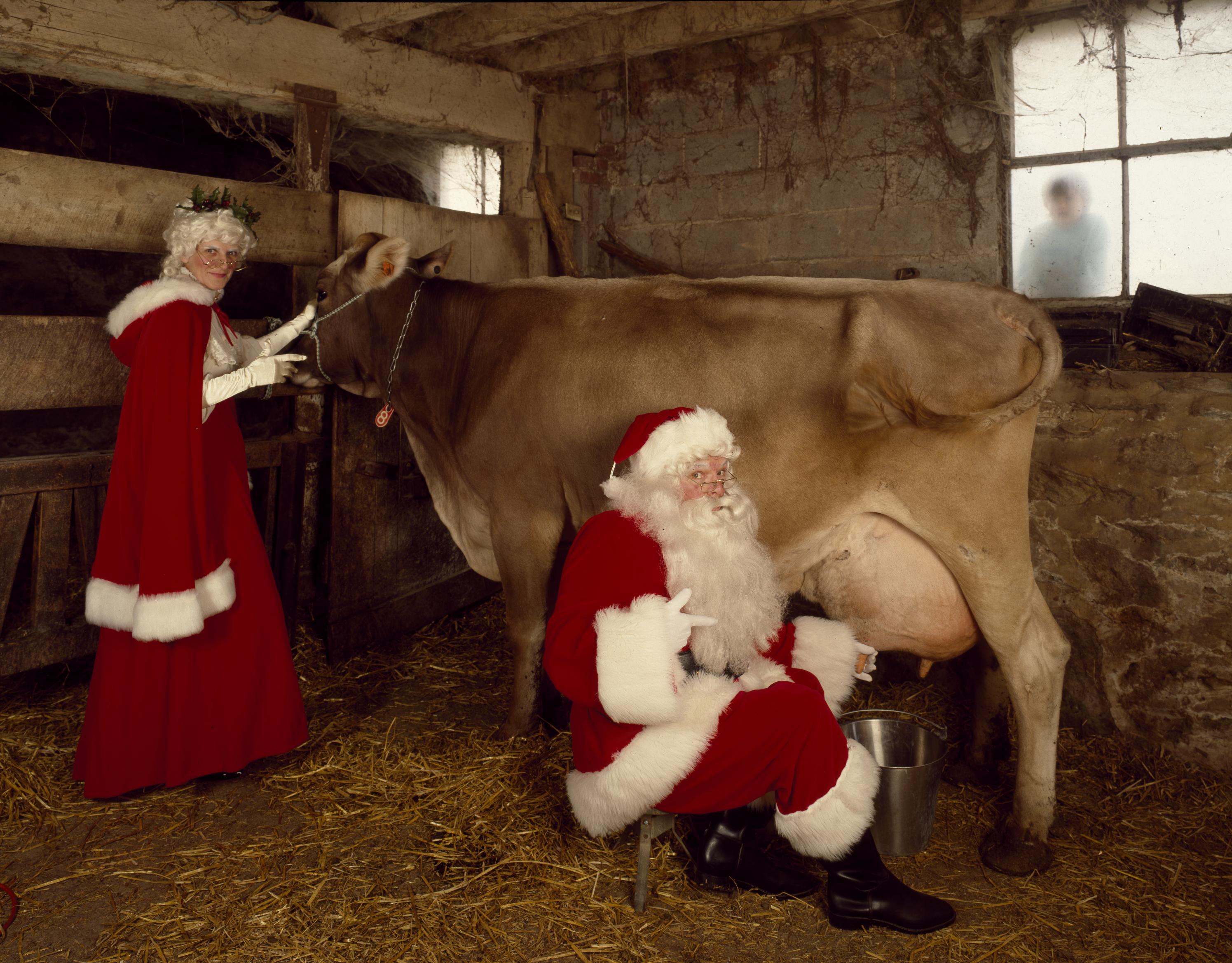
I found a photo. It needs a better caption. Something funny, and perhaps seasonal, too?

Highsmith, Carol M, photographer, “Santa and Mrs. Claus milk a cow. Why, we’re not exactly sure.” c. 1980-2010. Library of Congress

Send your entry (or entries, as many as you like!) to me via the blog’s “Leave a Reply | Write a Comment…” space. I’ll publish all the comments (let’s keep it clean and non-partisan) and I’ll pick a winner.1 Go to it, history lovers!

Needless to say, this photograph is—to the best of my knowledge—not related in any way to the Jonathan Clark House Museum, its board, staff, or volunteers. Except that it has a cow. And a barn. As did the Clark family back in the 1840s-1850s.

Continue reading

Labor Day – a photo essay

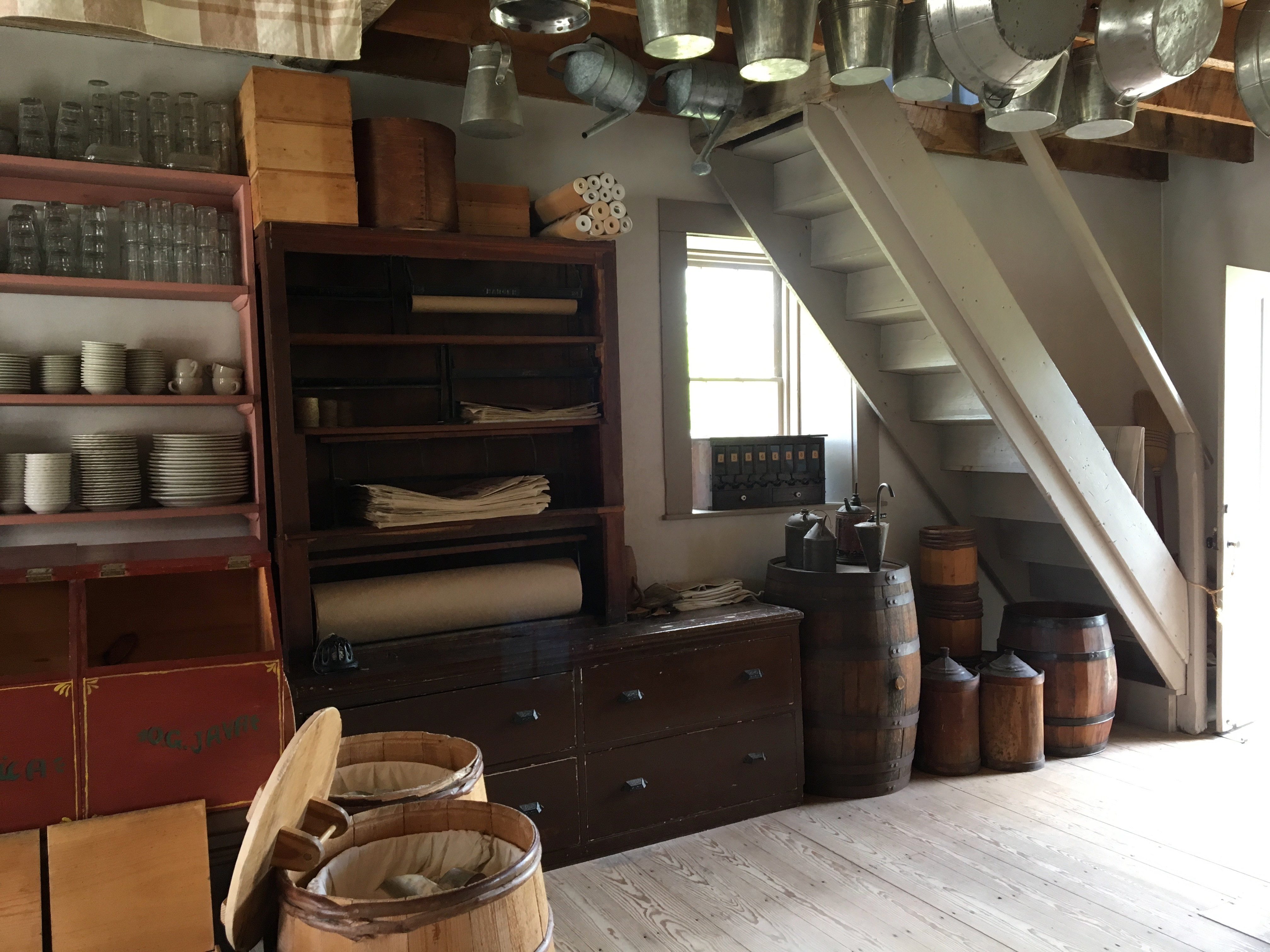
Even thought it’s Labor Day, the holiday celebrating the working men and women of our nation, I’ll be at work, back at our local mercantile establishment. You know, a store kind of like this one, stocked with just about anything you need for modern living:

I don’t have the day off, and won’t be marching in a parade, but I’d still like to honor the holiday and salute the American worker, past and present. With that in mind, let’s revisit some of the nineteenth-century occupations we’ve talked about previously at Clark House Historian, highlighting a few of the many skills, trades, and occupations common during the Clark House era.

Since it is a holiday, I’m not going to add much commentary today. Enjoy the photos, and click the links to visit the original CHH posts with lots more information about the different skills and jobs, and for full image credits.

Continue reading

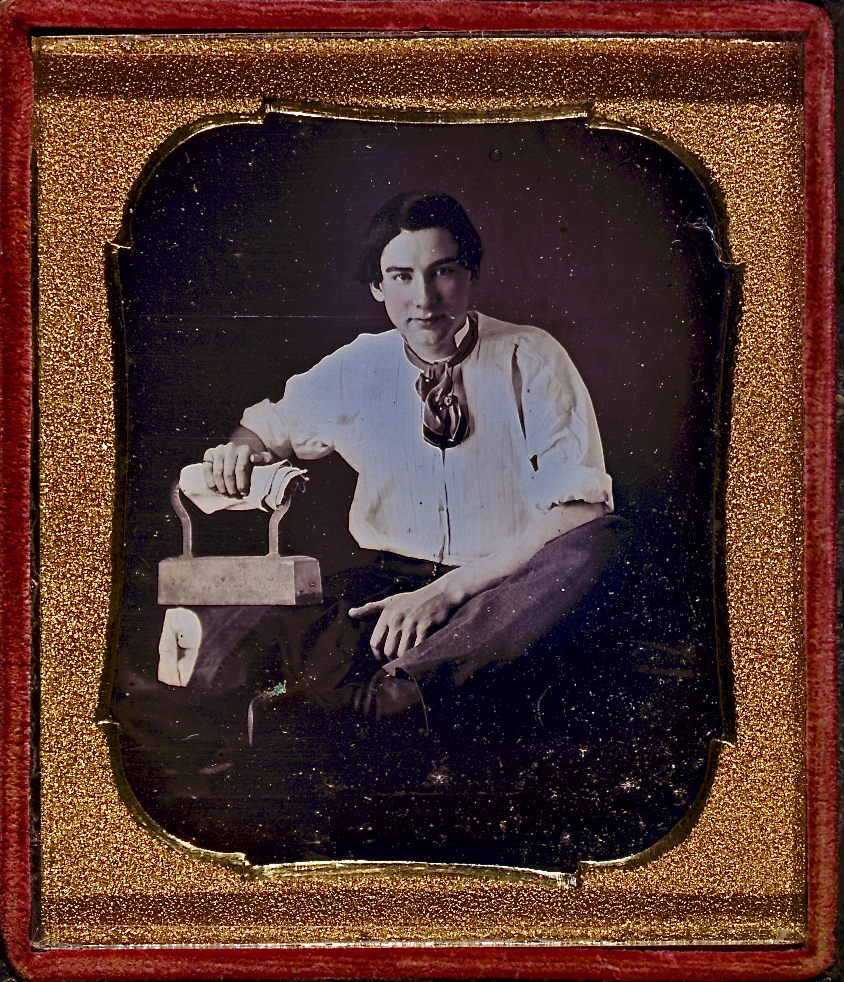
Ironing out a few wrinkles…

I was hoping to have a Monday: Map Day! post up for you yesterday as the opening item in a series of posts focused on new—or reevaluated—evidence from our continuing search for Jonathan M. Clark’s still-mysterious roots in northern Vermont and/or southern Québec. As you can tell, that didn’t happen. Instead, I spent some time ironing out a few wrinkles on the blog…

Continue reading

Farewell to California! The Bonniwell party returns (part 1)

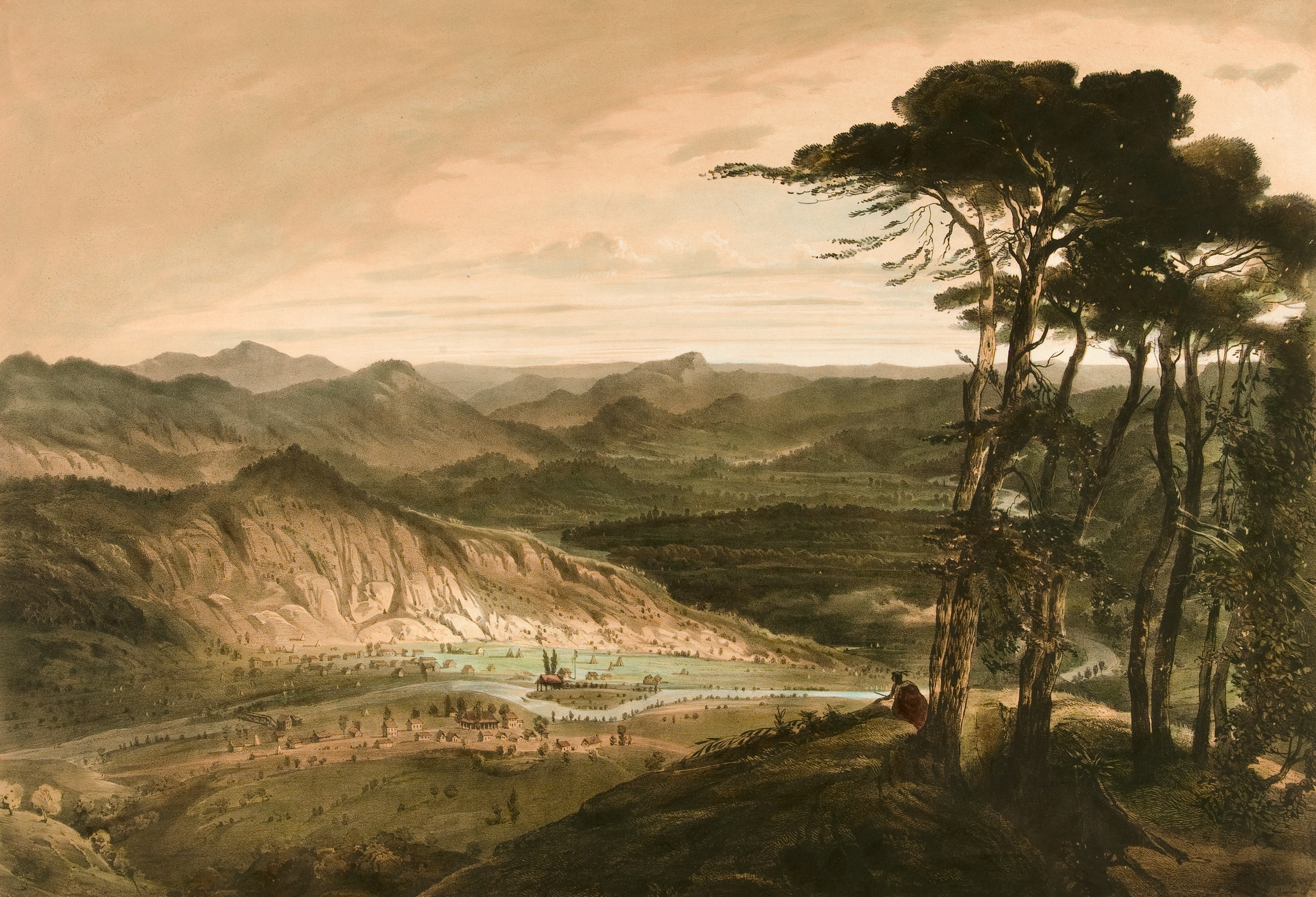
I’ve never been to California’s gold rush country, so I don’t know how accurate this unknown artist’s View of Sutter’s Mill & Culloma Valley. On the South Fork of the American Line, Alta, California might have been.1 It’s drawn in the Romantic style of the time, although it’s clear the unspoiled, natural, “sublime,” view of El Dorado county’s hills and mountains are quickly giving way to the shelters and “diggings” of the immigrant gold miners and the nearby rough-and-tumble mining town of Culoma.

I wonder, did the Bonniwell party’s miners have the time, or inclination, to savor such exalted vistas? Perhaps. During the Bonniwell’s overland trek in the summer of 1850, George Bonniwell mentioned in his diary a number of “beautiful ” views of rivers, bluffs and other natural wonders. But after a year or two of toil in the harsh conditions of gold-rush era California, I expect the day-to-day existence of our Mequon men had become much less awe-inspiring. The typical experience of gold rush miners—whether successful or not—tended to be much more…mundane:

Continue reading

The Cooper

In the 1800s there were no corrugated cardboard boxes or padded shipping envelopes. If you needed to store or ship any liquid—and most dry goods—the barrel (and its larger and smaller cousins) was almost always your container of choice.

Anderson, Alexander, engraver. Five Men on a Flatboat With Barrels and Sacks; One Man Operates the Keel from Above the Boathouse, the Others Are Resting on the Freight, circa 1830-1860, Library of Congress.

And when you needed a barrel, hogshead, keg, cask or firkin, or just an oaken bucket for your well, you would get it from a cooper.

Unknown photographer. Occupational Portrait of a Cooper, Three-Quarter Length, With Barrel and Tools, circa 1840-1860, Library of Congress.

Continue reading

Christmas-Tide: an 1860s Turck family tale

A True Story! from an unexpected source

Christmas is here, and I thought you might enjoy this seasonal Turck family anecdote, “a true story,” as related in the pages of Correct English magazine, written, edited and published by Peter Turck’s granddaughter—and Mary (Turck) Clark’s niece—Josephine Turck Baker, and later collected with other similar tales and published as a book, Correct English in the Home, Chicago, 1909.

In the foreword to her book, the author explains:

When I was a little girl, like most children, I was very fond of listening to stories; but unlike most children, I did not care for fairy tales, my first question invariably being, ” IS IT A TRUE STORY?” I don’t want a “once upon a time” story.

This is a true story. The children, their names, the incidents narrated, are all true. Beatrice, Roschen, and the “Boitie,” are my children […]


For those who like really true stories of really true people with really true names, this little book is written. That it may instruct and entertain all readers, both little and big, young and grown up, is the earnest wish of


Yours for Correct English,
Josephine Turck Baker

Our Protagonists

Photo credits and dates: see notes below. Click gallery for larger images

Continue reading