Farewell to California! The Bonniwell party returns (part 1)

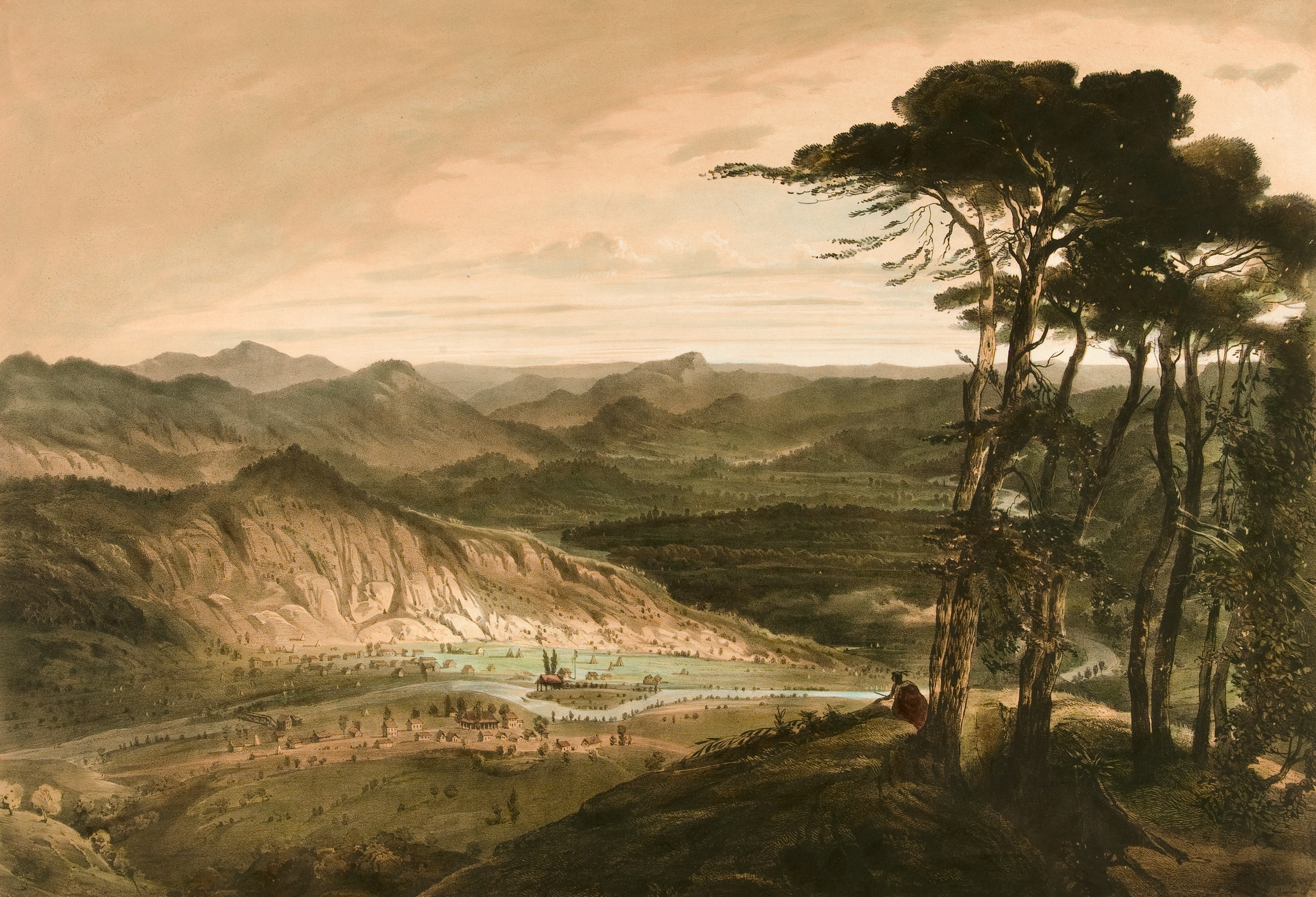
I’ve never been to California’s gold rush country, so I don’t know how accurate this unknown artist’s View of Sutter’s Mill & Culloma Valley. On the South Fork of the American Line, Alta, California might have been.1 It’s drawn in the Romantic style of the time, although it’s clear the unspoiled, natural, “sublime,” view of El Dorado county’s hills and mountains are quickly giving way to the shelters and “diggings” of the immigrant gold miners and the nearby rough-and-tumble mining town of Culoma.

I wonder, did the Bonniwell party’s miners have the time, or inclination, to savor such exalted vistas? Perhaps. During the Bonniwell’s overland trek in the summer of 1850, George Bonniwell mentioned in his diary a number of “beautiful ” views of rivers, bluffs and other natural wonders. But after a year or two of toil in the harsh conditions of gold-rush era California, I expect the day-to-day existence of our Mequon men had become much less awe-inspiring. The typical experience of gold rush miners—whether successful or not—tended to be much more…mundane:

Continue reading
1850 census: more neighbors “in Wisconsin”– while prospecting in California

Recently, we took a closer look at the 1850 census for old Washington county1 and noticed that six men from the neighboring Bonniwell families—men that we know from other records were actually half a continent away, prospecting for gold in California—were officially enumerated as members of their Wisconsin families in census schedules for Mequon and Grafton. In addition, we now know that those six Bonniwell men were not the only members of their expedition to be enumerated with the families they left behind in old Washington county.

Persons “whose usual place of abode…”

In the months since my original attempt to identify and list all the members of the Bonniwell 1849 and 1850 expeditions in Gold! – The Bonniwells go west…but when? and who?, I have been able to identify—with varying degrees of confidence—several other members of their California expeditions. I have more details to share about the lives of these men later, when time permits. For today, I’d like to briefly introduce each of them and make note of their presence on the 1850 census schedules for old Washington Co., Wisconsin, even though all were still seeking fortunes in California at the time they were enumerated.

Phineas Miller “P.M.” Johnson (1808-1876)

P. M. Johnson was, with William T. Bonniwell, one of the co-organizers of the Bonniwell 1849 and 1850 expeditions to the California gold region. We know that he was still in California in 1849-1850, but he was enumerated on lines 37-42, page 229a of the 1850 census for Grafton, Washington Co., Wisconsin with his wife, Orra Ann (Collins) Johnson and his four eldest children: Ransom W., Samuel C., William H., and George.2

The P.M Johnson family’s 1850 enumeration concludes on the reverse of this schedule, lines 1-4, page 229b, with the information for their youngest four offspring, Anna, Edwin, Julia, and four-month-old Harriet.

Continue reading

JMC & the neighbors petition Congress, 1849

Today we have a surprise addition to our survey of Alfred T. Bonniwell documents. It’s a recent discovery, a very cool 1849 petition to Congress asking for a new postal road from Grafton to Waukesha, via Mequon. It’s signed by many of old Washington county’s most civic-minded men, including Grafton postmaster P.M. Johnson, Jonathan M. Clark, Peter Turck, and almost all of the Bonniwell men. It’s of interest to us, in part as an example of the citizen petition process in the early days of Wisconsin statehood, and more specifically as a record of “who was here?” in Washington county in a non-census year.

A growing county needs a new mail route

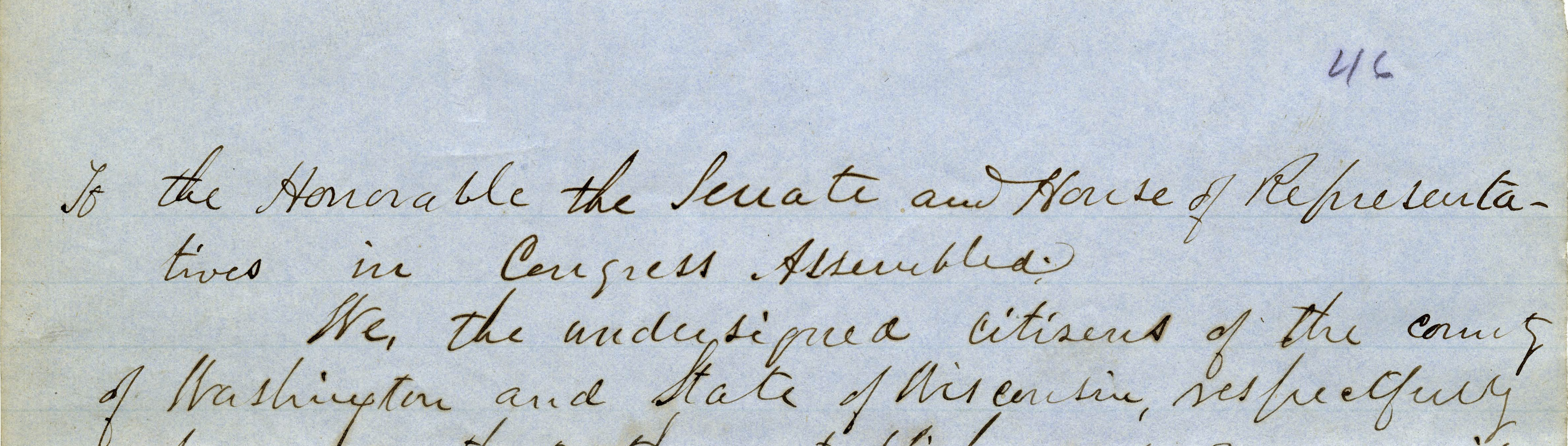
Petition of Phineas M. Johnson and others to U.S. Congress. [1849-02-06]. /documents/D275080, page 1, detail, salutation, The Papers of Abraham Lincoln Digital Library. Public domain.1, 5

Citizen petitions have been a part of American governance since early days. Check out our 2021 RBOH: Wisconsin Citizen Petitions for more information on a newly digitized collection of early Wisconsin territorial and state petitions, including a searchable database of petition images. Citizens could also petition the federal government for assistance; our petition is addressed To the Honorable the Senate and House of Representatives in Congress Assembled, and looks like this:

Continue reading

The Bonniwells & Co. and the 1850 census–part 4: “in” Wisconsin!

In our last post, we discovered that none of our Bonniwell gold rush expedition members could be found on the surviving population schedules for the 1850 federal census in California.1 Does that mean they were not to be found anywhere on the national 1850 enumeration? Well, no. It turns out that while the Bonniwell men and their companions were physically present in California, they managed to be enumerated in…Wisconsin?

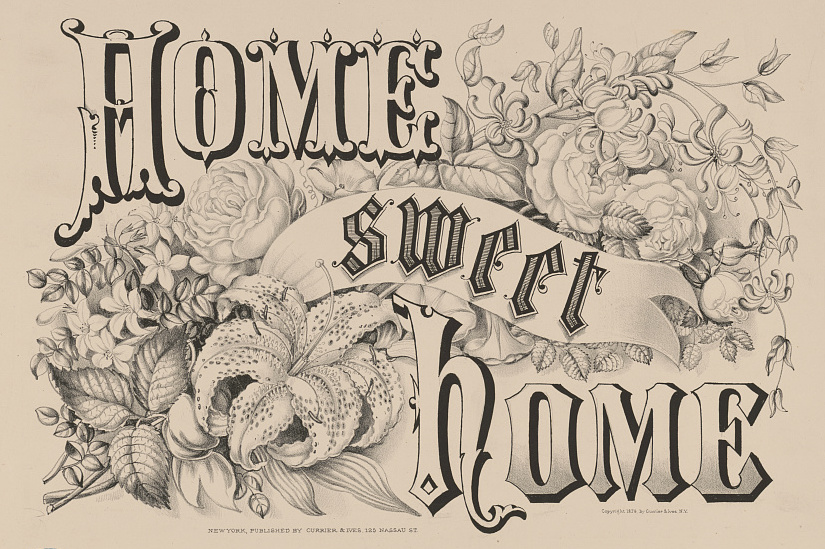
Currier & Ives. Home Sweet Home, c. 1874. New York: Published by Currier & Ives. Library of Congress.

There’s no place like home

You might think that once every ten years, when the census enumerator came to call, he or she would simply speak to a responsible adult at each address and write down the information for all of the “inhabitants” of each household. And that is pretty much how it was done.2

Naturally, there could be complications. What if some members of the household were away, perhaps working the fields, or at the mill? Maybe someone had to go to town, or farther away, on business. What about a child that is out of town at school or college? Or… what if the head of household had gone prospecting in the wilds of California’s gold district?

Continue reading

The Bonniwells & Co. and the 1850 (and ’52) census – part 3

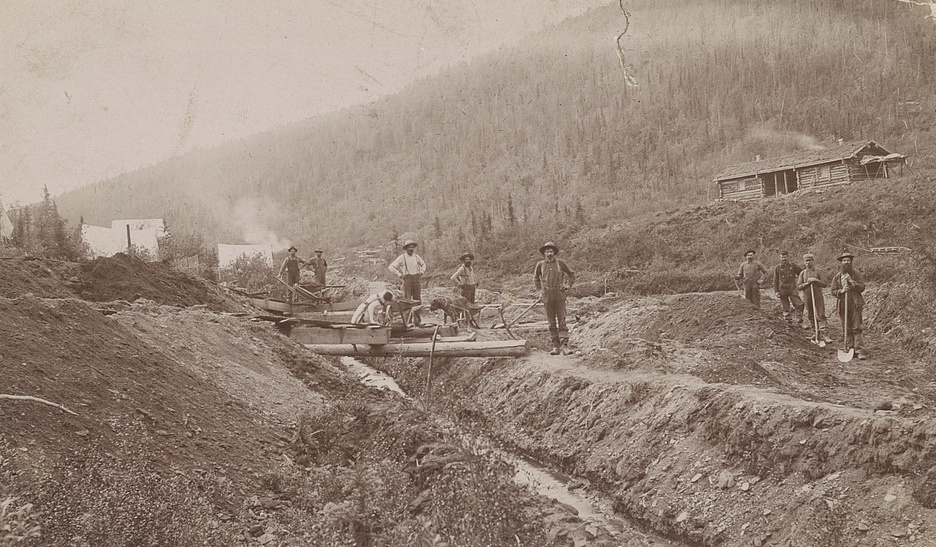
Our previous post1 left us with two important, unanswered questions: Could the Bonniwells and their companions have been recorded on the 1850 federal population census in California? And if they could be counted, were they? After all, travel through the gold camps in the high mountains could be pretty difficult in the best of times:

Gold miners, El Dorado, California, ca. 1848, before 1853. Library of Congress.

Add the rain and snow of a typical fall and winter in California’s gold region and the enumerator’s task must have been very difficult. But the answer is yes, it was possible that our Mequon prospectors could have been counted in the 1850 census in California. The enumeration of the gold mining counties began well after the official enumeration date of June 1st, 1850, and the process continued in some gold region counties until the last weeks of December, many months after the arrival of the overland contingent of the Bonniwell expedition.

Continue reading

Still digging…

I’m still digging in the archives, trying to wrap up our ongoing exploration of the Bonniwell family adventures in the California gold fields, bring (almost) everyone back to Mequon, and finish our (unexpectedly long and thorough) look at the life of Jonathan and Mary Clark’s brother-in-law, Alfred T. Bonniwell.

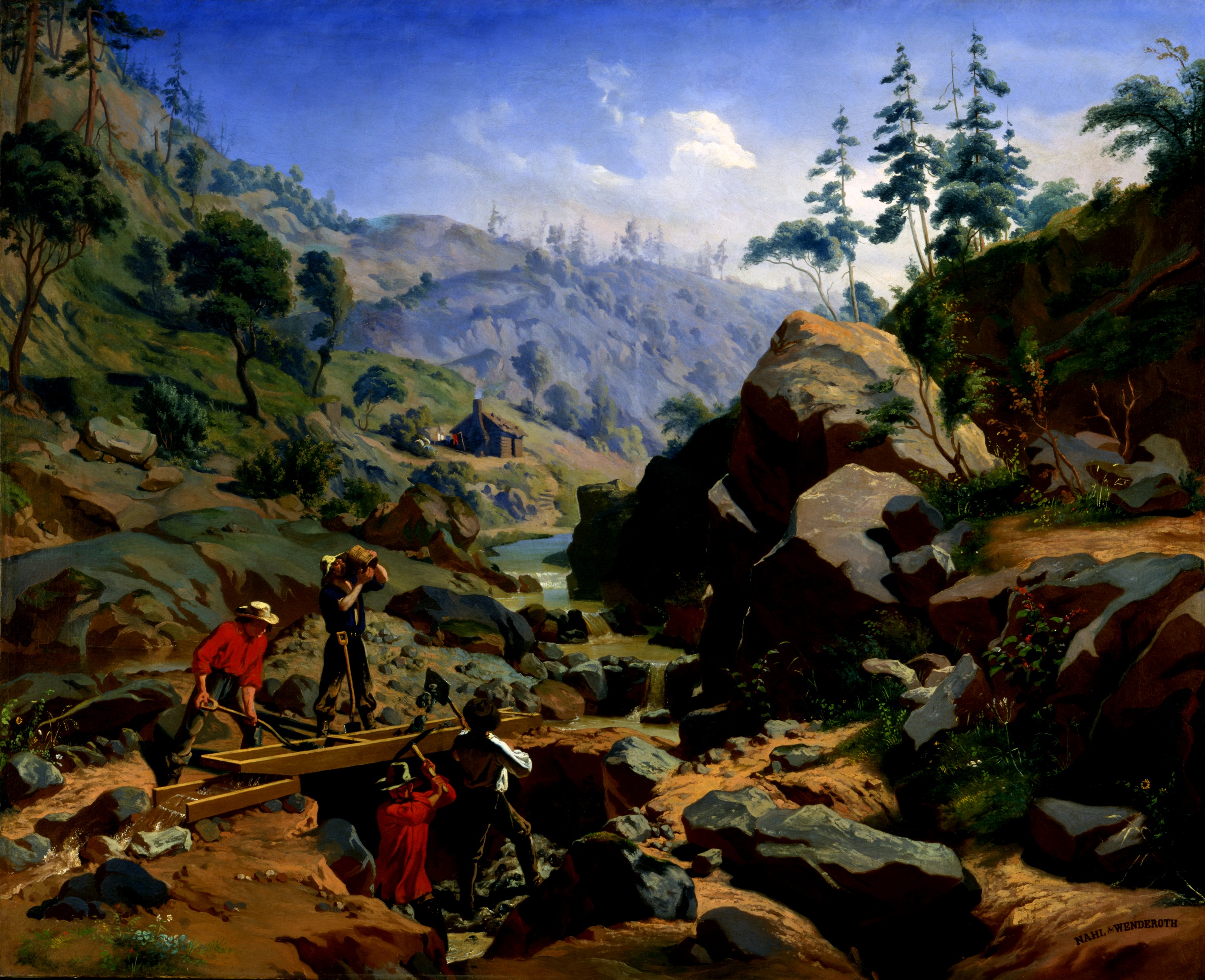
I’m currently mining a rich vein of 1850 and ’52 census documents for California and Wisconsin, as well as contemporary ships’ passenger manifests and published newspaper announcements of maritime comings and goings. Once again, I have a large pile of raw material to sift through and write about, and it’s taking more time than expected. I hope to have things organized for you next week. In the meanwhile, I thought you might enjoy this painting, made in California at the same time as the Bonniwell expedition, Miners in the Sierra:

As always, be sure to click the image to open a larger, higher-resolution image in a new window.

Continue reading

Monday: Map Day! — the Bonniwells & Co. and the 1850 census (part 2)

UPDATED, Jan. 9, 2023, to correct a few minor errors.

Our December 15, 2022 post, The Bonniwells & Co. and the 1850 census (part 1), ended with a cliffhanger:

So the members of the overland Bonniwell overland expedition were not enumerated on the decennial census while on the trail [in Nebraska] in the summer of 1850. According to George Bonniwell’s diary, the party did not arrive in the gold country until August 8th, eight months after the disastrous California floods of January, 1850. […] Would the census still be in progress in the hills and valleys of the mining district? Would any members of either Bonniwell party have a chance to be enumerated in California? Recording the census in the frenzy and wilderness of gold rush California must have been a daunting task. Could the government’s enumerators get up into the scattered high-country mining camps? Did they enumerate all the miners and merchants and other California settlers? Would the paper census forms survive the wilderness, weather—and wild times—of 1850 California?1

Today we’ll see if we can answer those questions.

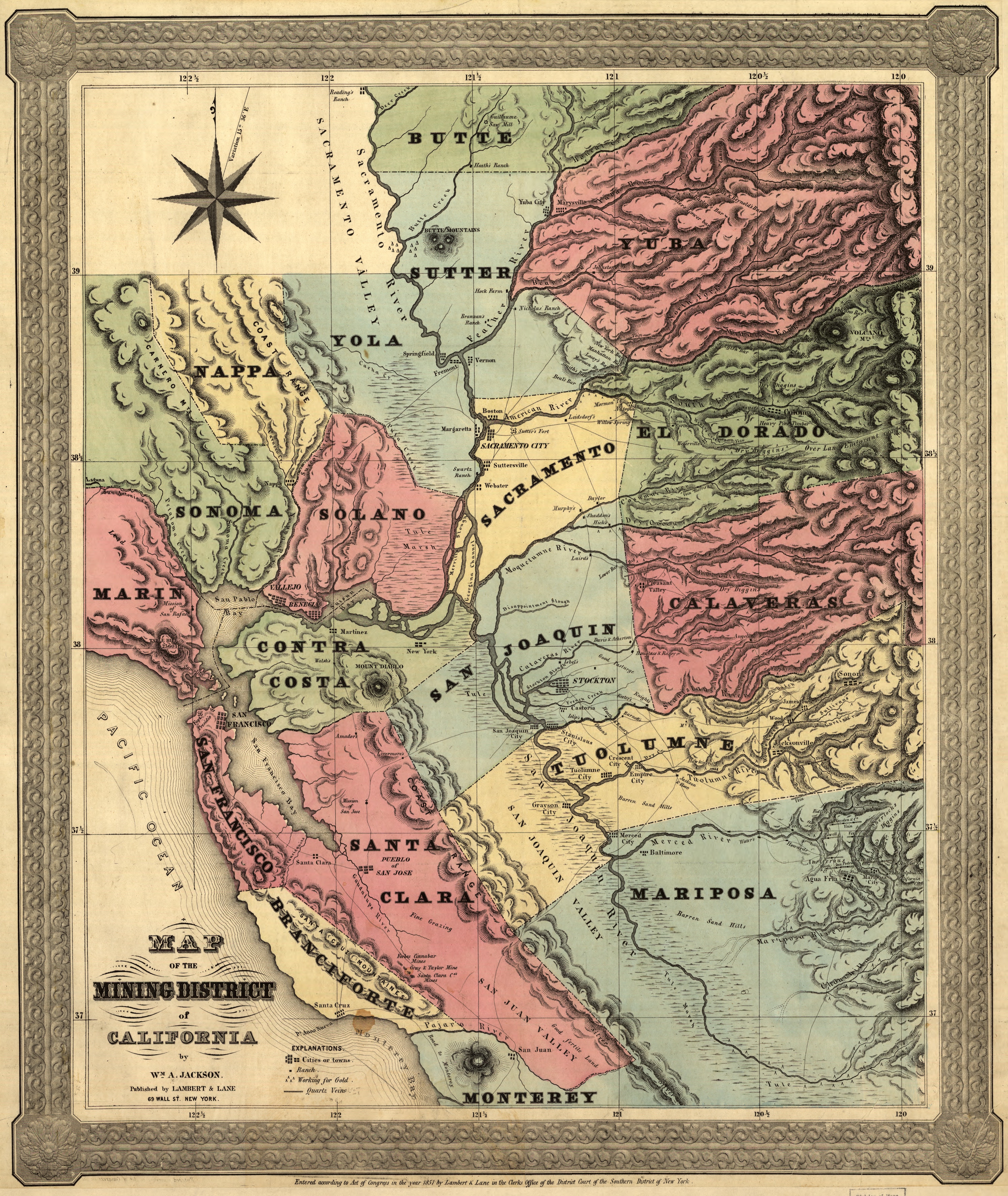
Gold rush counties, c. 1850

Since the federal decennial census is always enumerated by counties, let’s get our bearings by looking at this contemporary map of the California gold region, showing the various county boundaries at that time:

Continue reading

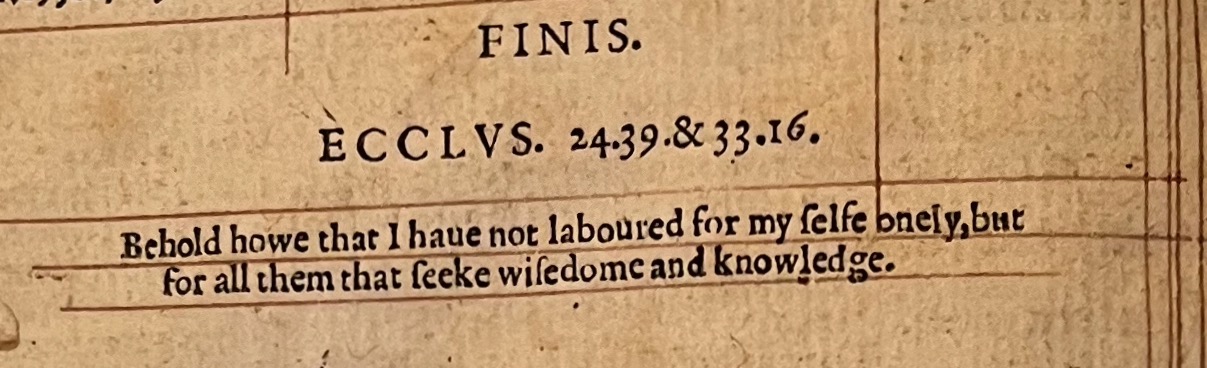
Finis, 2022

[The Bible,] Geneva version, published by Christopher Barker, London, circa 1580-1588. Collection of the Jonathan Clark House, photo credit: Reed Perkins, 2022.

What a year!

Finis. The End. Today is December 31, the last day of a long and eventful 2022. I’m not up to the task of summarizing all the highs and lows of the past year. I’ll leave that to others.

But I thought recalling one special summer day at the Clark House might make a nice valediction at the close of the old year and the beginning of the new. And for me, without question, the best day for the Clark House this year was July 23, 2022, the day we celebrated the generous donation of the historic Bonniwell family Bible and papers.

Continue reading

The Bonniwells & Co. and the 1850 census (part 1)

The seventh decennial federal population census was officially enumerated for all persons living in the United States on June 1, 1850. For the first time, all (free) persons were to be listed in the census schedules by their full names.1 But as we discussed previously2, while the actual enumeration of the 1850 census should have begun in every enumeration district on June 1, 1850, it didn’t always do so. And it often took weeks—or even months—to complete the enumeration of most districts. Yet according to Census Bureau rules, whenever the government enumerator did show up at your abode, the census forms were supposed to record the location and personal information for each free person in every household as of June 1, 1850.

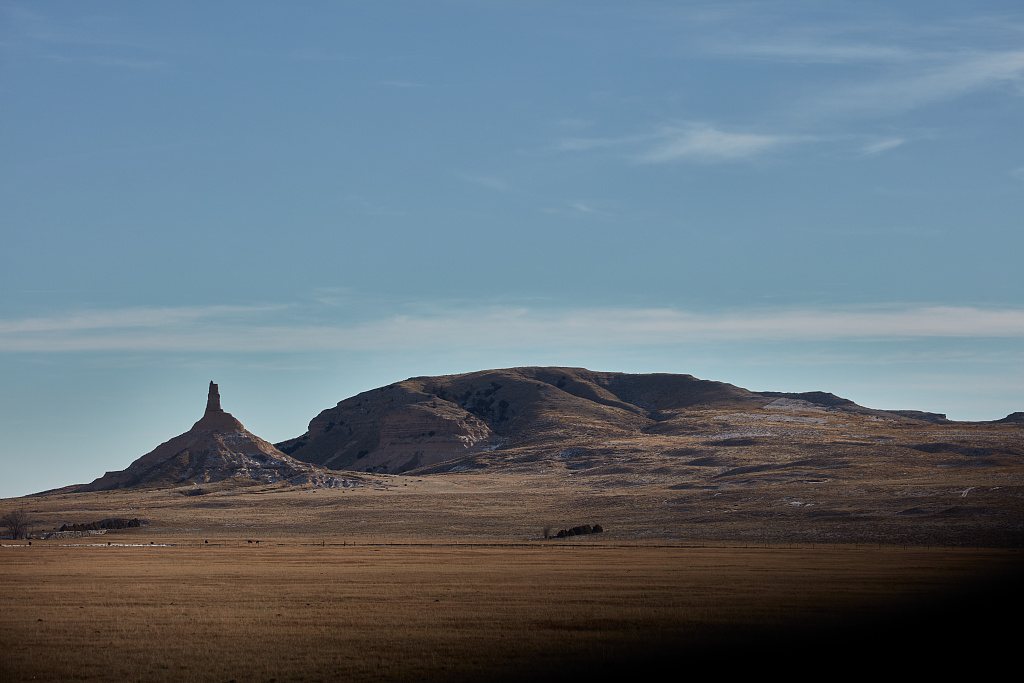
So where were the members of the two Bonniwell Gold rush expeditions on June 1, 1850, and where were they enumerated? Or were they enumerated at all? Well, we know that on June 1, 1850, the second expedition, taking the overland route, was camped here:

Highsmith, Carol M, photographer. The iconic Chimney Rock, now a U.S. national monument, stands out in the distance in Morrill County, Nebraska. United States Nebraska Morrill County, 2022-01-02. Library of Congress (public domain).

Continue reading

The Bonniwell Bible’s provenance or, Who Owned It & When?

Provenance

Provenance is an important concept for historians, collectors and museums. It refers to the chain of ownership of any collectible item, including manuscripts, artworks, official documents or, in our case, a family Bible. Establishing the provenance of an item—such as the Bonniwell Bible—from its creation to the present day is important for several reasons:

  • By studying this Bible as an artifact, a book published on paper, we are establishing its history and authenticity as a Bible, published in London, England, by Christopher Barker, in the Geneva translation, including copious notes, helps and other additions, probably during the reign of Queen Elizabeth I and, more specifically, circa 1580-1603.
  • By studying the inscriptions in this Bible, we can also try and establish who owned the book, and when they owned it. The more we know about this, the more confident we can be about the historical and genealogical information found in the Bible’s many inscriptions.

Who owned it first?

That’s still a bit of a mystery. On the one hand, we do have a solid—though perhaps not unbroken—history of Bonniwell family inscriptions in this Bible, beginning in 1697 and continuing through the early 1900s. First-person family recollections record the Bible’s direct descent from that time until the present day. And we know that this Bible was first in the possession of a related branch of the Bonniwell family and then owned by “our” Bonniwells no later than 1795:

Bonniwell Bible, detail, showing inscription by William Bonniwell, 1798, and ligature WBonniwell, 1795. photo credit: Kendalyne Gentile, 2022.

Continue reading