We have a vegetable garden in the backyard of our southeastern Wisconsin house. It’s not large, but we still manage to grow a nice quantity of green peas, heirloom tomatoes, green beans, peppers, basil, and squash, enough to top off several dozen vacuum-sealed mason jars and fill a chest freezer each year.
Nature being what it is, we are not the only critters in the neighborhood that enjoy the bounty of our labors. Last May I mentioned our ever-expanding population of Rabbits! and the efforts needed to keep them from our young and ripening produce. This week we face a new foe…
I’m still collating information about how and when the members of the Bonniwell gold rush expedition(s) returned to Wisconsin. I hope to have the full list posted here, shortly. In the meanwhile, I thought you might be interested in learning more about Clark family neighbor Thomas Day. He was a member of the Bonniwell 1849 by-land-and-sea expedition to the California gold fields and was a friend and colleague to Clark House neighbor and Methodist evangelist William W. Woodworth. Thomas Day’s life story sheds light on the early Washington/Ozaukee county settler experience, and illuminates various aspects of immigration, religion, and family life in pioneer days.
As we begin, be sure to note that our subject, Thomas Day, immigrated to Wisconsin from England in 1846, and is not directly related to the Tennessee-born, 1836 Mequon pioneer Isham Day.
Rev. Thomas Day, 1809 – 1901
Let’s start at the end, with the longer of two versions of Thomas Day’s obituary, as published on page 3 of the Indianapolis News, Sunday, April 21, 1901:
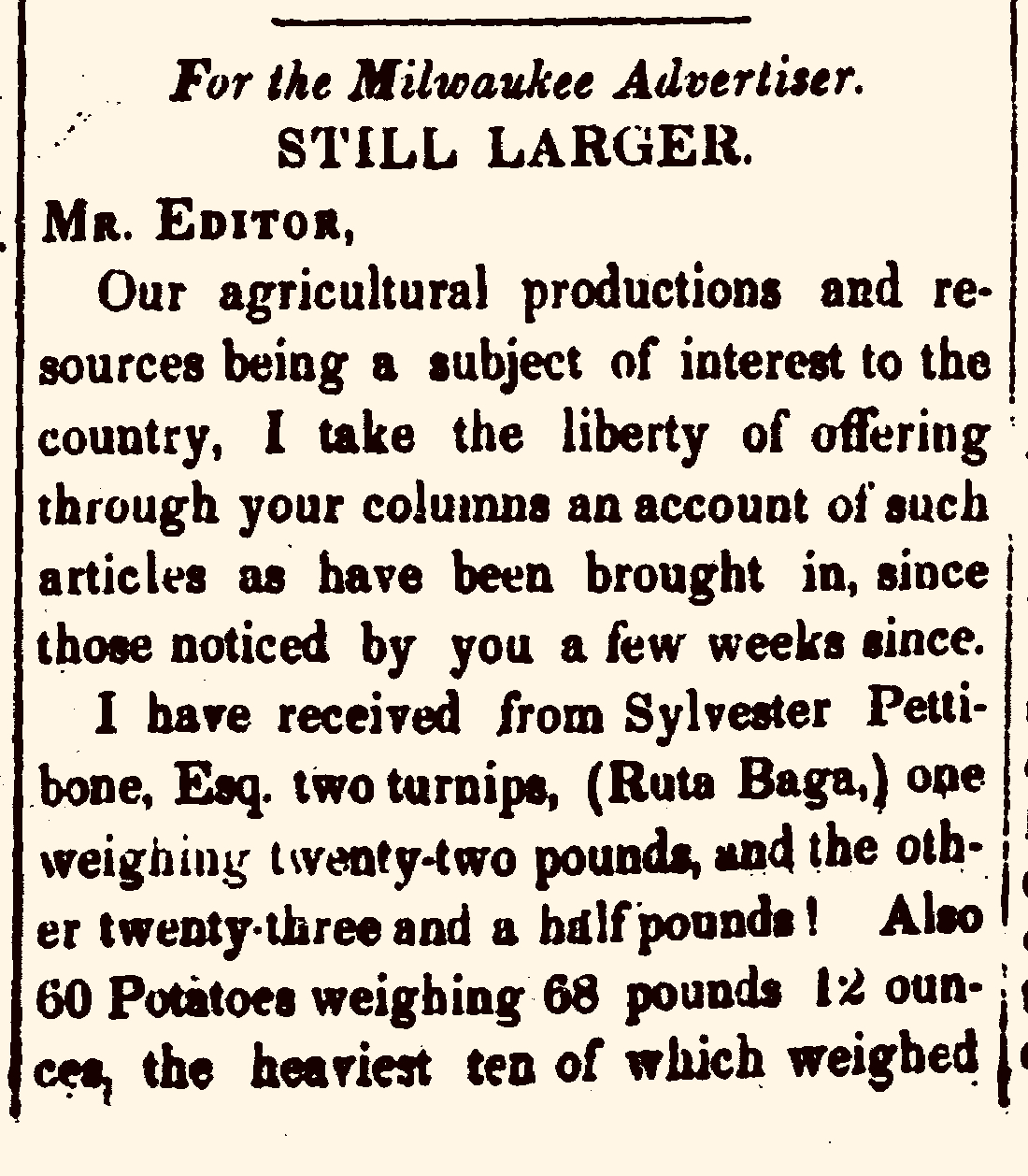
While researching the life of one of Mequon’s first white settlers, Isham Day, I ran across the following breathless bit of regional puffery and promotion, penned by Milwaukee co-founder Byron Kilbourn. It’s from page 2 of the November 17, 1836, edition of the Milwaukee Advertiser:
Lawyer Pettibone has, indeed, grown some astounding turnips (“Ruta Baga”), ‘taters, and carrots in the fertile soil of Milwaukee. Likewise Mr. Douglass with his enormous radishes and “common English” turnips. Have others done anything comparable? Indeed they have, and Mr. Kilbourn has the details…
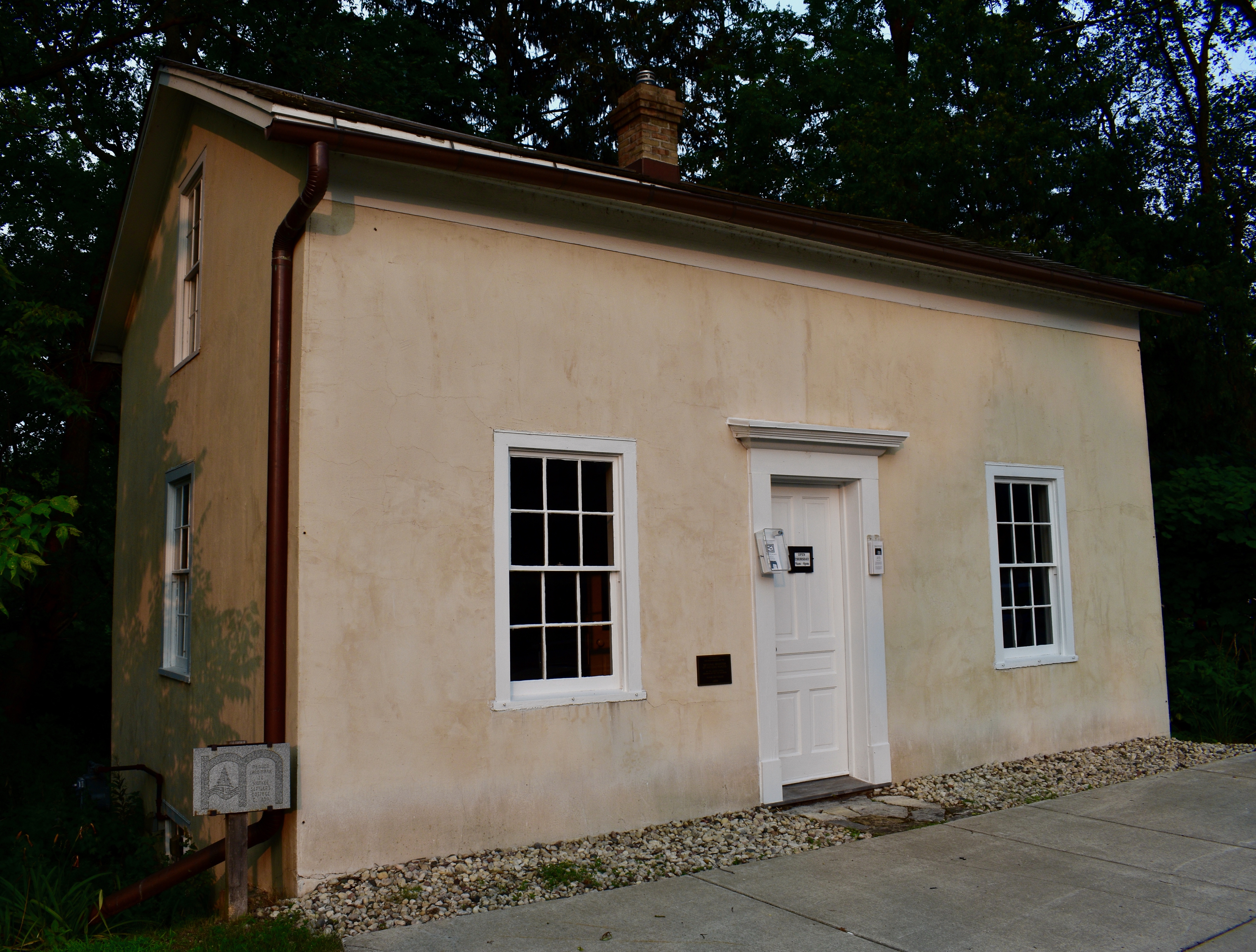
Isham Day was one of the very first white pioneers to settle in the future Town of Mequon, Wisconsin Territory. I first wrote about Isham Day, and his historic house—later Mequon’s first post office, and also known as the Yankee Settlers’ Cottage—in an earlier post, River Walk. You might want to read that before continuing with today’s essay.
Isham Day was not only one of the first settlers in this area, he was active member of the small but growing community in what would become Washington and, later, Ozaukee counties. There is a lot to say about his role in the early decades of pioneer life in the Clarks’ neighborhood, some of which is already known through early local histories and various federal and local primary sources. (And he appears in six different posts here at Clark House Historian.)
One thing that is less well known is what happened to Isham Day after those early days in Milwaukee and Mequon. I wanted to know and, after an extended search, I found out. In many ways, it’s a story of the stereotypical moving-ever-westward American pioneer experience. But it’s also a story of a man trying to live a peaceful life in the midst of violence and rebellion. In our recent post, Memorial Day, 2023, we remembered some of our local men that fought and died to preserve the Union and end the scourge of slavery in “the land of the free.” Today we examine one of the many civilian casualties of that conflict: Isham Day.
Isham Day house (“Yankee Settler’s Cottage”), built 1839, Mequon, Wisconsin. The oldest house in Ozaukee county still on its original foundation. Photo credit: Anna Perkins, 2021.
Please note: sensitive or younger readers may find some of the language and events documented below to be disturbing.




 Clark House Historian